
Anchor Seat in Blackjack: What Is an Anchor and Why It Matters?
Anchor Seat in Blackjack: What Is an Anchor and Why It Matters?
If you’ve played blackjack in a casino, you may have heard someone mention the “anchor seat” and wondered what it actually means.
Some players talk about it as if it carries special weight at the table, while others brush it off as casino folklore. Either way, knowing what the anchor seat is can make the game feel clearer and a touch more engaging.
Curious whether it really matters and how it fits into the flow of play? Here’s a straightforward look at this well-known spot.
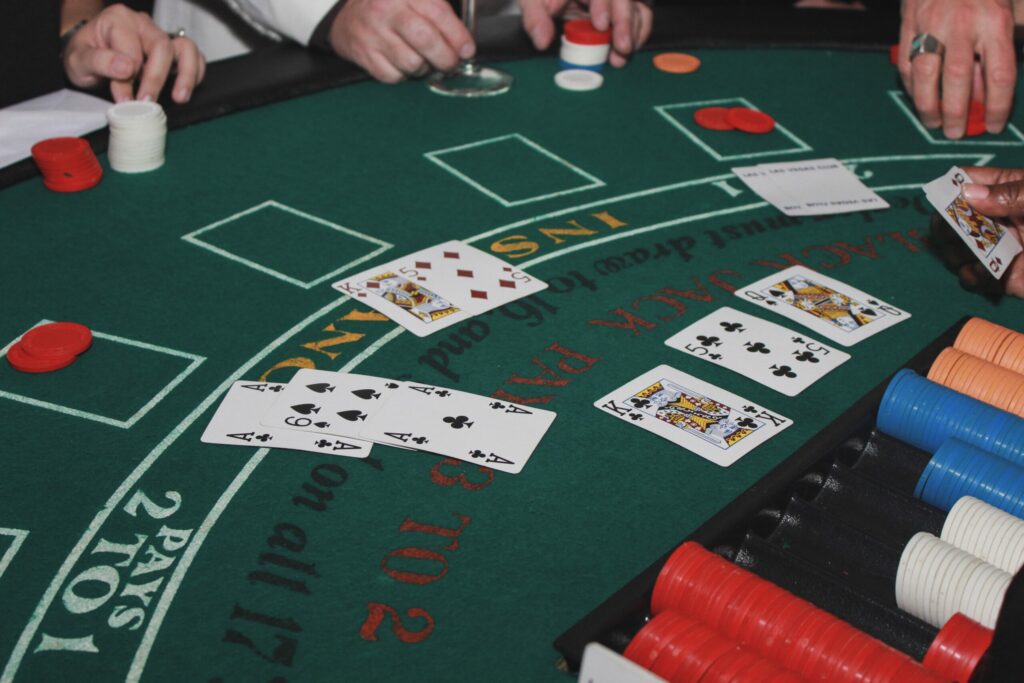
What Is The Anchor Seat In Blackjack?
The anchor seat is the last position to act at a blackjack table. From the dealer’s point of view, it sits on their right-hand side, opposite “first base” on the dealer’s left. You might also hear it called “third base.”
Sitting here means you take your turn after everyone else has finished. You can see each decision around the table before making your own, which some players appreciate because it offers a fuller picture of how the round has unfolded so far.
It is important to note that the anchor seat does not change the rules, house edge, or the randomness of the cards. Your seat position does not improve the chances of winning; it only affects the order of play and the information available before your decision.
Etiquette still applies: act in turn, signal your choices clearly, and avoid delaying the game. While some players feel additional pressure at third base, you are not responsible for the table’s overall outcome—each hand is settled on its own merits.
Where Is The Anchor Seat Located At The Table?
You’ll find the anchor seat at the far end of the player arc, nearest the dealer’s right hand. If you’re looking at the table from the player side, it appears as the seat furthest to your left. In a typical seven‑seat layout, it’s seat number seven, though some venues number seats differently or use eight‑ or nine‑seat tables.
This position is often referred to as the “anchor” seat, and in some regions you may hear it called “third base”. Labels can vary by casino, so if in doubt, check the table layout or ask the dealer for clarification.
Many experienced players prefer this vantage point because it allows them to follow the action in sequence and see how previous decisions unfold. That said, your seat choice does not change the underlying odds or the house edge. Outcomes are determined by the deal and the rules in use, and no seat confers a guaranteed advantage.
With location clear, the next question is how that position fits into the order of play. Cards are typically dealt from the dealer’s left to right, with the anchor seat acting last among players before the dealer completes their hand. House procedures can differ slightly, especially with continuous or automatic shufflers, so follow the dealer’s guidance and any table signage.
As a courtesy to others, be ready to act when it’s your turn and ask the dealer if you’re unsure about any rule. Always set limits and play responsibly.
How Does The Anchor Seat Affect The Order Of Play?
Blackjack follows a fixed sequence. The dealer offers decisions from their left to their right around the table, and the anchor seat is always the final position to act before the dealer completes their own hand. This order applies whether the game is dealt from a shoe or a handheld deck, and it does not change during the round.
Sitting last does not alter the rules you follow, the cards you receive, or the procedures the dealer must follow. You may feel more informed because you have seen who has hit, stood, split, or doubled, but your own decision is still taken independently and under the same house rules as every other player.
It is important to note that the actions of other players do not give you a built-in edge. While previously dealt cards change what remains in the shoe, the anchor seat does not confer a mathematical advantage and it does not allow you to influence prior outcomes. The house rules and the dealer’s fixed drawing rules remain the same, and the overall house edge is unaffected by where you sit.
Table etiquette can matter more than position. As the last player to act, be ready to decide promptly to keep the game moving, place clear signals for hits or stands, and ask the dealer to clarify procedures if you are unsure. Casinos may restrict coaching at the table, so keep advice to a minimum and follow posted rules.
Even so, that vantage point leads to a common question about advantage. In regulated play, there is no guarantee that any seat will improve results, and outcomes are driven by chance. Always play responsibly, set limits, and never stake more than you can afford to lose.
Does Sitting In The Anchor Seat Change Your Odds Or The House Edge?
No. Seat position does not alter your chances or the house edge. These are determined by the game’s rules and procedures, such as whether the dealer stands on a soft 17, the blackjack payout offered, how many decks are used, and how you choose to play each hand.
No seat carries a built‑in advantage over another, including the so‑called anchor seat. While the pace of play or your comfort level may vary by position, the underlying probabilities do not. In online games, results are produced by a certified random number generator; in live games, shuffled shoe procedures apply. In both cases, where you sit does not influence outcomes.
Using basic strategy can help you make more informed decisions and reduce the house edge, but it cannot eliminate it or guarantee a profit. Results will vary in the short term due to chance, and no betting system or seat choice can change that. Pick a spot you like and focus on decisions based on your cards and the dealer’s upcard.
Always gamble responsibly: set limits, never chase losses, and only stake what you can afford to lose. If play stops being enjoyable, consider taking a break.
Dealer Procedures And Rules That Affect The Anchor Seat
Dealers use consistent procedures to keep every round clear and fair, regardless of where anyone is sitting. Cards are dealt in order from the dealer’s left to right, then decisions are taken in that same direction until the anchor seat has acted.
Only when all player decisions are complete does the dealer finish their own hand. This sequence is part of the house rules and is followed the same way each round, so the position of any seat does not alter how the hand is resolved.
To avoid confusion, dealers rely on clear, visible signals. A tap or gentle scrape on the felt typically means “hit”, while a hand held flat over the cards usually means “stand”. If you choose to double, you place an additional wager next to your original bet; if you split, you match your initial wager so the dealer can separate the cards into two hands.
The dealer will confirm your choice out loud and continue in order. If you are unsure of the correct gesture or procedure, you should ask the dealer to clarify before acting. Dealers cannot provide strategy advice, but they will explain the rules and ensure your intention is understood.
This structured approach means the anchor seat functions as the final checkpoint before the dealer resolves the round. Supervisors may step in to correct any errors, and standard procedures for misdeals or irregularities are applied consistently to protect all players.
Importantly, the position of the last seat does not influence the shuffle, the order of the cards, or the fairness of outcomes. No player’s decision can change what has already been dealt; the dealer simply follows the required order to maintain transparency and integrity.
With that in mind, it’s easy to see how a few myths have grown around the last seat. The anchor seat does not confer an advantage, nor does it “save” or “spoil” the table. Results come from the cards and the rules in place, not where you sit.
Play at a pace you are comfortable with, stay courteous to others, and make decisions that suit your own budget and understanding of the game. If you need a moment, let the dealer know; they will keep the game orderly while respecting reasonable requests to pause.
Common Misconceptions About The Anchor Seat
One widespread belief is that the anchor seat can make or break the table’s outcome. In reality, each player’s result comes from the cards they receive and the way they choose to play them. The dealing order is fixed by the game rules, and outcomes are determined by chance within that structure.
No one can know which specific card would have appeared next or how the shoe would have unfolded had a single decision changed. The perception that the last seat controls results is a cognitive bias rather than a feature of the game.
Another misconception is that a “bad” decision in the anchor spot, such as hitting when others expect a stand, somehow takes a winning card from the dealer or another player. The sequence of cards in the shoe or deck is already set before those choices are made, and any change by one player would alter the entire sequence of subsequent cards.
In other words, the final results would only be different if every prior action and card dealt were also different. Blame or credit assigned to the anchor seat after the fact does not reflect how the game actually works.
You may also hear claims that the anchor seat offers a better or worse chance of winning. It does not. The position provides information, not an advantage, and it does not reduce the house edge or guarantee any particular outcome.
Blackjack involves elements of skill in decision-making, but results remain uncertain and subject to variance. No seat position or strategy removes risk, ensures profit, or changes the long-term house advantage.
Play responsibly. Gambling should be a form of entertainment, not a way to make money. Set limits, never chase losses, and only gamble if you are 18+ and it is legal in your jurisdiction.
Pros And Cons Of Sitting In The Anchor Seat
There are a few reasons players are drawn to this spot, and a few reasons they avoid it. Understanding both helps you choose a seat that suits your style.
Pros:
You see the full flow of the table before acting, which can make decisions feel more considered. Watching how others play can help you feel more settled and give you time to check your own plan before you move.
Some players enjoy the sense of wrapping up the round before the dealer takes their turn. If you prefer a measured pace, the extra moments to think can support calmer choices and reduce the pressure to act instantly.
Cons:
It can attract attention. If others at the table believe the last seat carries extra responsibility, they may watch your choices closely, which some find distracting. This scrutiny can feel uncomfortable if you are new or prefer to play quietly.
The pace can also feel a touch slower if you prefer to act quickly. In busy sessions, being last can mean a longer wait between hands, which may not suit players who like a faster rhythm.
The anchor seat changes the experience, not the maths. Your seat does not alter the house edge, the return to player, or the randomness of outcomes. No position guarantees better results, and past hands do not predict what comes next.
If you like observing the table and taking your time, it can be a comfortable fit. If you prefer less attention, any other chair works just as well. Choose the position that helps you play calmly and stick to solid decisions.
Always set limits, play within your means, and take breaks when you need to. If the pressure of the last seat affects your enjoyment, switch places or step away until you feel ready to continue.
**The information provided in this blog is intended for educational purposes and should not be construed as betting advice or a guarantee of success. Always gamble responsibly.