
3:2 vs 6:5 Blackjack Payouts – Odds, Differences & House Edge
3:2 vs 6:5 Blackjack Payouts – Odds, Differences & House Edge
The payout for a natural 21 is not a small detail in blackjack. It has a direct effect on how much you stand to get back and how quickly the house edge can eat into your results.
Most games now use one of two payouts: 3:2 or 6:5. They look similar, yet they pull the maths in very different directions.
Below, you’ll see what each payout means in pounds and pence, how they change the house edge, and how to weigh up a table quickly before you play.
What Does 3:2 Mean In Blackjack?
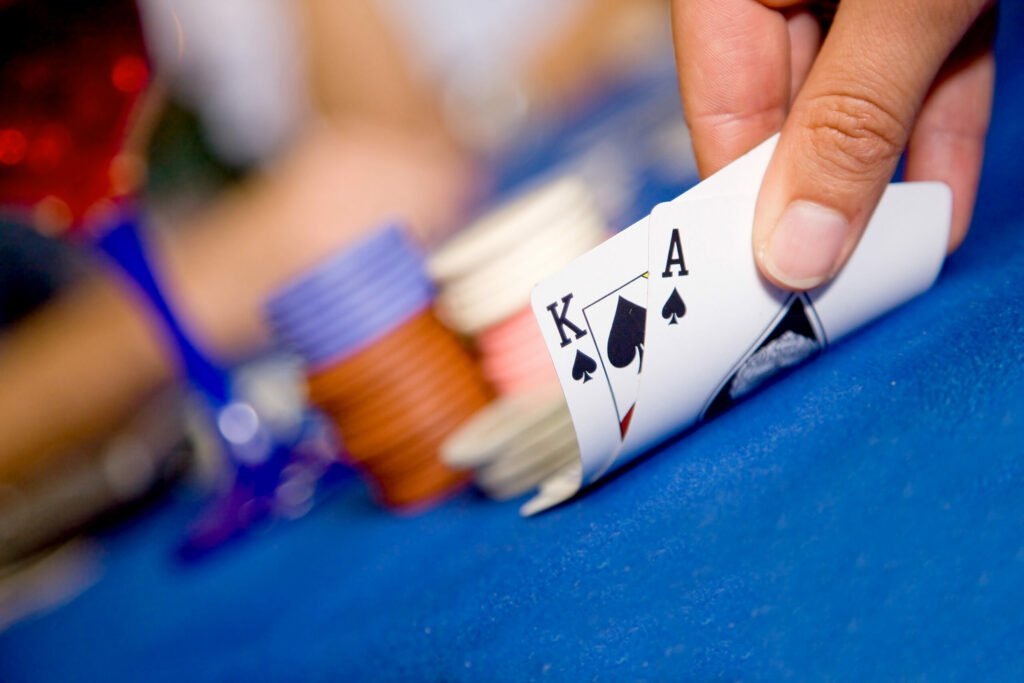
A 3:2 payout means that when your first two cards form a natural blackjack (an Ace with any 10-value card), you are paid three units for every two wagered. On a £10 stake, the win is £15 and your total return is £25 (your £10 stake back plus £15 winnings).
This enhanced payout applies only to a natural 21 on the initial two cards. Regular winning hands that reach 21 in other ways, or hands that simply beat the dealer, are typically paid at even money. If the hand ends in a push (tie), your stake is returned with no win or loss.
Tables advertising 3:2 are often more favourable to players than those paying 6:5 or even money for blackjack, as the premium for a natural 21 is higher and the house edge is usually lower as a result. However, overall expected returns still depend on the full set of table rules and your decisions.
Always check the specific rules before you play. Some games pay 1:1 on blackjacks after splitting Aces, limit doubling options, or use more decks, all of which can affect the house advantage. Outcomes are determined by chance, and there is no guarantee of winning.
What Does 6:5 Mean In Blackjack?
A 6:5 payout means a natural 21 (an Ace plus a 10-value card as the first two cards) returns £6 for every £5 wagered. With a £10 bet, the total return is £12, made up of your £10 back plus £2 profit.
By comparison, the more traditional 3:2 payout would return £25 in total on a £10 stake (£15 profit). The gap adds up over time, especially if you hit several naturals across a session.
That smaller premium on the best starting hand shifts more value to the house. In practice, moving from 3:2 to 6:5 typically increases the house edge by about 1–1.5 percentage points, depending on other rules such as the number of decks, whether the dealer hits/stands on soft 17, and options like doubling after splitting.
Many tables now use 6:5, particularly on lower stakes or certain side‑rule variants, so it pays to check the felt or on‑screen rules before you play. Also note that the 6:5 rate applies only to natural blackjacks; a 21 made with three or more cards is usually paid at even money if it wins.
If you are seeking a higher return to player, look for games that clearly advertise 3:2 on blackjacks and verify the full table rules. Remember outcomes are determined by chance, there are no guaranteed wins, and you should only gamble what you can afford to lose. Consider setting limits and taking breaks to keep play responsible.
How Do 3:2 And 6:5 Payouts Affect Your Odds?
A natural blackjack appears on average about once in every 20–21 hands, though the exact rate varies with the number of decks and table rules. Because it occurs relatively often, the way it is paid has a meaningful impact on your long‑term, theoretical results. Short‑term outcomes will still fluctuate, and no payout structure can guarantee a profit.
With 3:2, a natural 21 pays one and a half times your stake (for example, a £10 bet returns £15 in winnings plus your £10 stake). This higher return on each blackjack helps to counterbalance losses and pushes over time. With 6:5, the same £10 bet would pay £12 in winnings, so that contribution is smaller and your variance may feel harsher when streaks occur.
Put simply, 3:2 reduces the house edge, while 6:5 increases it. Moving from 3:2 to 6:5 typically adds around 1%–1.4% to the house edge, depending on the specific rules and whether you use optimal basic strategy. Figures are illustrative and refer to long‑term theoretical performance only.
In practice, that means the theoretical return to player (RTP) is lower on 6:5 games, so over time you would expect to get less back per pound wagered compared with 3:2. However, individual sessions can still vary widely, and results are never guaranteed.
How Much Worse Is 6:5 For Players?
On a £10 stake, a natural 21 pays £15 at 3:2 but only £12 at 6:5, so the return on that specific outcome is £3 lower under 6:5. This difference applies only when a natural occurs, but it is a clear reduction in the value of those winning hands.
While naturals are not the majority of hands, their payout drives a meaningful part of blackjack’s overall value. Reducing that payout trims expected returns, making 6:5 comparatively less favourable than 3:2 whenever you do hit a natural.
In percentage terms, a typical 3:2 game with standard rules and correct basic strategy sits around a 0.5% house edge. Switch only the blackjack payout to 6:5 and it commonly rises to about 1.9%. Exact figures depend on the full set of table rules and how you play, but the direction is the same: the edge increases.
House edge is a long‑run average and does not predict individual results. Outcomes vary from hand to hand, and short‑term sessions can differ significantly from the theoretical expectation. Always check the table rules and stake responsibly.
How Is The House Edge Different Between 3:2 And 6:5?
House edge is the theoretical long‑term average the casino retains per £100 wagered. It is not a prediction for any single session, and short‑term results will vary. You may also see this discussed alongside RTP (return to player), which is simply 100% minus the house edge.
With 3:2 blackjack pay-outs, the house edge is typically around 0.5% (about 50p per £100) when using basic strategy. With 6:5 pay-outs, it is closer to 1.9% (around £1.90 per £100), assuming the same baseline rules and sound play. These figures are estimates and can change with table conditions such as the number of decks, whether the dealer hits or stands on soft 17, availability of surrender, and the use of side bets.
The difference stems from how a natural blackjack is paid. At 3:2, a £10 stake returns £15 on a natural; at 6:5, the same £10 returns £12. Other winning hands still typically pay 1:1. Reducing the return on naturals increases the overall house edge over time.
That higher edge has a greater impact the more you play, but it does not guarantee any specific outcome. Play should be for entertainment, and only with money you can afford to lose.
Example Calculation Comparing 3:2 And 6:5 Payouts
Step By Step Calculation For A Single Blackjack
Take a single £10 hand where your first two cards make a natural 21 (an Ace plus a ten-value card). At a 3:2 table, the total return is £15, which means £5 profit. In this example, “total return” refers to the amount paid before considering your original £10 stake, so the net outcome is £5 ahead on the hand.
At a 6:5 table, the total return is £12, so the profit is £2. The same winning hand therefore pays less under 6:5, reflecting a greater built-in advantage for the house. Always check the table signage and rules, as procedures and payouts can vary by venue.
The difference is £3 on the very same winning hand. Multiply that by how often blackjacks appear and you can see why the payout listed on the table felt is so important.
Blackjacks may occur around every few dozen hands on average, but results are random and not guaranteed in the short term. Over time, lower payout tables reduce expected returns.
Gamble responsibly: set limits, never chase losses, and only wager what you can afford to lose. If play stops being fun, take a break or seek support.
Does 6:5 Change The Value Of Insurance Or Other Side Rules?
Yes. Insurance still pays 2:1 when the dealer shows an Ace, but a 6:5 game already pays you less for naturals. That weaker baseline reduces your overall return, so insurance — already a generally negative‑value side bet in standard games — becomes even less attractive for most players in the long run.
“Even money” on your blackjack against a dealer Ace is simply insurance in disguise. In 6:5 games this locks in a smaller payout immediately, and over time it typically lowers your expected return compared with declining the offer. As always, outcomes depend on chance, and no choice can guarantee a profit.
You will also often see 6:5 tables paired with rules that further raise the house edge, such as the dealer hitting soft 17, restrictions on doubling after splits, limited re‑splitting of Aces, or no surrender. Fewer favourable rules can add up, and while each change may be modest on its own, together they can noticeably increase the house advantage.
As a rough guide, moving from 3:2 to 6:5 alone can add around a percentage point or more to the house edge, depending on the number of decks and other rules. Always check the table placard and any published rules so you understand the variance and expected return before you play.
With that in mind, when is it worth moving on to another table?
Consider walking if you see multiple unfavourable rules at once — e.g., 6:5 payouts combined with the dealer hitting soft 17, no surrender, or tight doubling rules. If available, look for 3:2 payouts, standing on soft 17, the option to double after splits, and clear surrender rules, as these are generally more player‑friendly.
Play within your means, choose stakes that suit your budget, and set time and spend limits. If the rules or payouts are unclear, or the game does not fit your limits, it is sensible to leave and find a table that does. Gambling should be enjoyable; if it stops being fun, take a break.
When Should Players Avoid 6:5 Tables?
Where you have a choice, prioritise 3:2 payout tables. They pay more on a natural 21 and, with otherwise similar rules, usually carry a lower house edge than 6:5. Over extended play this typically means a lower expected loss for the same stake size, although outcomes remain random on every hand.
As a rule of thumb, moving from 3:2 to 6:5 can add around a percentage point or more to the house edge, but the exact figure depends on the full ruleset and how closely you follow basic strategy. Always check the posted paytable and table rules before you sit down, and remember that no strategy removes the house advantage.
If only 6:5 is available, assess the rest of the conditions carefully. A 6:5 game where the dealer hits soft 17, doubling after splits is not permitted, surrender is unavailable, or resplitting aces is barred is generally tougher than one with more player‑favourable options. If your aim is to minimise the house edge, be cautious with side bets as they usually carry higher margins.
Choose the table that fits your budget and risk tolerance. Set limits, only gamble what you can afford to lose, and consider taking a break or selecting a different game if the available rules are not to your preference.
Common Myths About 3:2 And 6:5 Payouts
Myth: The difference is only a few pounds and does not matter. In reality, blackjacks occur regularly, so the smaller 6:5 premium reduces your expected return across many hands, and you may notice the impact over a typical session. Small differences compound over time, even though short‑term outcomes are still driven by chance and can vary widely.
Myth: 6:5 means a higher quality or special version of the game. Often it simply means the casino has set a structure that increases its edge. The table may look the same, but the maths is not, and the overall expected value for players is usually lower. Always check the posted rules and payouts, as presentation does not necessarily reflect the underlying value.
Myth: A betting system can overcome the lower payout. No staking pattern changes the house edge created by the rules, and systems that chase losses may increase risk without improving your expected return. Sound decisions and basic strategy can help you play closer to the theoretical return, but they cannot turn a 6:5 game into a 3:2 one, and theoretical figures do not guarantee individual results.
Myths aside, there is more to a good table than the headline payout. Look for clearly stated rules, transparent payouts, and limits that suit your budget, and consider the house procedures such as whether the dealer hits on soft 17.
Always gamble responsibly: set a spend limit, take breaks, and never wager more than you can afford to lose. Past outcomes do not predict future results.
How To Compare Overall Table Rules Beyond Payouts?
Payouts are the headline, but the supporting rules decide how tight or forgiving a game feels. These variations affect the game’s theoretical return, even though outcomes remain unpredictable on any given session.
Before you sit down, take a moment to read the table placard or ask the dealer to confirm the house rules. Small differences can add up over time, so it helps to know what you are agreeing to.
Look at the number of decks. Fewer decks usually nudge the maths towards the player when all other rules are equal. However, single- or double-deck tables sometimes come with offsetting conditions, such as restricted doubling or altered payouts, so weigh the whole package rather than one feature in isolation.
See whether the dealer stands or hits on soft 17. Standing on soft 17 is slightly more favourable and also changes a few basic strategy decisions. If the dealer hits soft 17, expect a modest increase in the house edge.
Check the doubling rules in detail. Doubling after splitting (DAS) helps strong hands retain value, while “double on any two cards” is generally more flexible than limiting doubles to totals of 9–11. If DAS is not allowed, or doubles are restricted, the game is typically tighter.
Consider surrender rules and whether re-splitting Aces is allowed. Late surrender (after the dealer checks for blackjack) can reduce expected losses in tough spots, whereas early surrender is rarer and more favourable. Many tables allow only one card to each split Ace; some permit re-splitting Aces (RSA), which adds a little more flexibility.
Look for other house specifics. Side bets often carry a higher house edge than the main game. Table limits, the pace of play, and whether an automatic shuffler is used can all influence how quickly you cycle through your bankroll.
Taken together with a 3:2 payout, these rules can make a meaningful difference to the game’s theoretical RTP. If you are choosing between similar tables, pick the one that combines 3:2 with the most player-friendly rule set and suits your budget and preferences.
Always play responsibly. Set limits, take breaks, and never wager more than you can afford to lose.
**The information provided in this blog is intended for educational purposes and should not be construed as betting advice or a guarantee of success. Always gamble responsibly.