
Is Online Blackjack Rigged? Truth About Online Casino Games
Is Online Blackjack Rigged? Truth About Online Casino Games
Ever wondered if online blackjack is actually fair, or if the odds are stacked against you from the start? You’re not alone. With people playing from home and real money involved, it’s natural to ask how much you can trust what you see on screen.
Maybe you’ve had a run of losses that didn’t feel right, or heard rumours about shady practices. The world of online casino games can look confusing at first glance.
Before you place another bet, get the facts on how online blackjack works, what keeps it in check, and what to look out for. Stick with us as we unpack what happens behind the scenes so you can make informed choices.
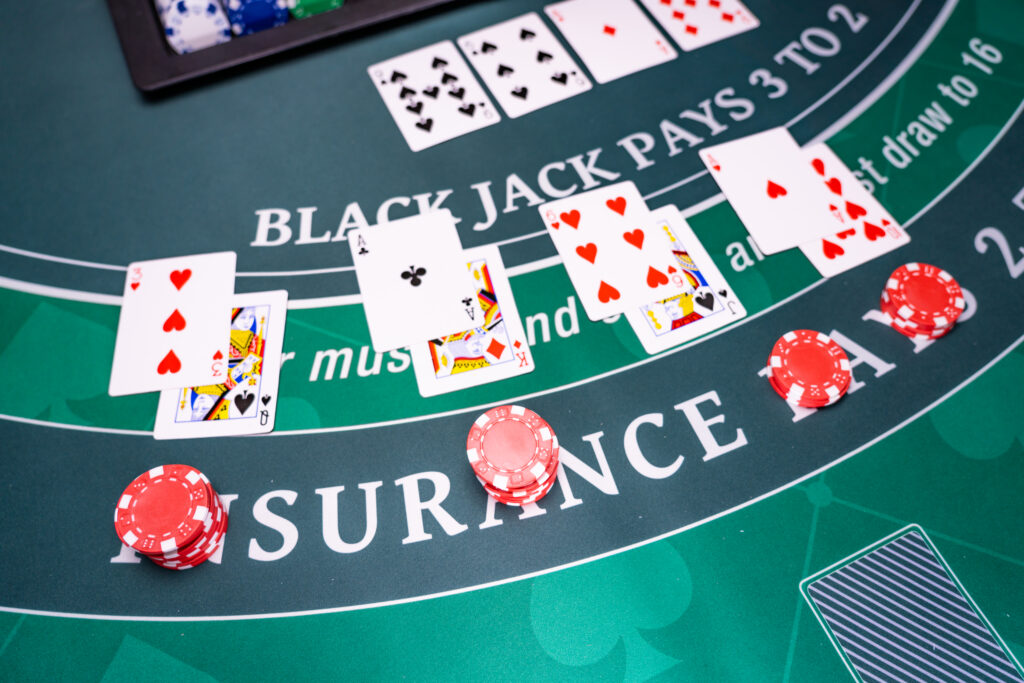
How Does Online Blackjack Work?
When you play online blackjack, you’re playing a digital version of the same game you’d find in a physical casino. The goal is to beat the dealer by getting as close to 21 as possible without going over, with ties usually resulting in a push.
Games are presented on a virtual table and follow familiar rules, although specific house rules can vary by variant and provider. Always check the game information to understand how blackjack pays, whether the dealer stands on soft 17, and any other table conditions before you start.
Instead of a human dealer shuffling and dealing the cards, the game uses software. Most online blackjack games (apart from live dealer versions) rely on a Random Number Generator, often shortened to RNG. This technology selects virtual cards at random so outcomes cannot be predicted, and card counting is not effective in RNG-based titles.
Reputable operators use RNGs that are independently tested and certified to ensure fairness, with results monitored under their gambling licence. You can usually view information on the game’s rules and theoretical return to player (RTP) in the help or info section.
The rules you follow are familiar: you place a bet, receive your cards, then choose whether to hit, stand, split, or double down. Some tables may also offer insurance or optional side bets; these are not required to play and have their own rules and odds.
Payouts and table limits can differ between games (for example, blackjack may pay 3:2 or 6:5 depending on the table), so review the paytable and limits before wagering. Only bet what you can afford to lose and consider setting deposit, loss, or time limits to help manage your play.
Live dealer blackjack runs the same way but with a real person dealing in a studio, streamed to your screen so you can watch every move. Cards are drawn from a physical shoe rather than by software, and you place bets and make decisions via on‑screen prompts within set time windows.
Whether you play RNG or live dealer games, outcomes are determined by chance and there is no guaranteed way to win. Play for entertainment, read the game rules carefully, and use safer gambling tools if needed. You must be over the legal age to gamble in your jurisdiction.
Understanding that, it helps to look more closely at the RNG itself, since it is the engine behind most digital blackjack. If you want additional reassurance, check the operator’s licensing and testing information, and consult the game’s help pages for details on shuffling, decks used, and rule variants.
What Is A Random Number Generator And How Does It Affect Blackjack?
An RNG is software that selects each card in online blackjack at random, within the game’s rules and paytable. It replaces the physical process of shuffling and dealing, so the order of cards is determined by algorithm rather than by a human dealer.
Instead of drawing from physical decks, the RNG continuously produces sequences of numbers that map to specific cards in a virtual shoe. When you press deal, the software translates the current output into your next card. Neither you nor the operator can know in advance which card will appear.
Each deal is independent. Previous results do not influence future outcomes, and streaks do not alter the chances of the next card. Your decisions (such as hit or stand) can affect your result, but they do not change the underlying order in which cards are produced by the RNG.
In the UK, RNG systems used by licensed operators are tested by independent, UKGC‑approved laboratories. These checks assess statistical randomness within defined tolerances, correct implementation of the game rules, and resistance to tampering. Games are reviewed before release and when materially updated.
The RNG does not change the house edge. Any published Return to Player (RTP) is a long‑term, theoretical figure; individual sessions will vary, and results are never guaranteed. Responsible play means treating each hand as a separate event rather than expecting patterns to continue.
Live dealer blackjack uses physical cards and real‑time dealing instead of an RNG for card selection, and is subject to separate controls. For non‑live (virtual) games, it is the RNG quietly doing the dealing in the background, keeping outcomes appropriately unpredictable and compliant with UK standards.
How Are Online Casinos Regulated?
In the UK, online casinos are regulated to keep games fair, protect players, and reduce gambling-related harm.
Every legal site must hold a licence from the UK Gambling Commission (UKGC). The Commission sets strict conditions and monitors how operators run their platforms, including the way they advertise, handle complaints, and safeguard vulnerable people.
Licensed operators must provide clear game information, publish return to player (RTP) data where applicable, and handle customer funds securely. They must also make terms and promotional conditions fair, transparent, and easy to understand.
Safer gambling tools are mandatory. These include deposit limits, time-outs, reality checks, and self-exclusion (including access to services such as GAMSTOP). Age and identity verification is required to prevent underage gambling and to meet anti-money laundering obligations.
Core systems such as random number generators (RNGs) must be tested by approved, independent laboratories. Ongoing audits and technical checks help ensure that games perform as stated and that outcomes remain random.
If a casino breaks the rules, the UKGC can require corrective action, impose heavy fines, or suspend or revoke a licence. Players can also escalate unresolved complaints to an approved alternative dispute resolution (ADR) provider.
This framework improves transparency and oversight, but it does not remove the risk of losing money. Choosing a licensed site means your play is subject to continuous checks and controls, with clear routes for support and redress if something goes wrong.
How Do Independent Audits Verify Fairness?
Independent audits provide evidence that blackjack games operate as described for licensed operators. They assess whether outcomes are produced as intended, without guaranteeing wins or altering the house edge.
Specialist testing agencies, such as eCOGRA or iTech Labs, examine the software and systems that power each game. This can include RNG design and seeding, change control, version management, and security around game deployment.
They run statistical tests on RNG output to confirm independence and the absence of bias or repeatable patterns. Auditors also check that rules like shuffling and dealing are correctly implemented and review large, representative samples of game results across builds.
Auditors verify payout calculations and table rules, and compare published figures such as Return to Player (RTP) with the game’s mathematics. RTP is a long‑term theoretical measure and does not reflect what any individual session will return.
Reports may be issued periodically. Certificates often note the scope tested, software version, and date, and operators may display them to show compliance. Players should check that any certificate is current and applicable to the specific game.
Audits complement regulatory oversight (for example, technical standards set by the Gambling Commission) but do not replace an operator’s ongoing responsibilities. Material changes to a game typically require re‑testing.
Put simply, audits offer a measurable, third‑party view of fairness. Results remain random, no strategy guarantees success, and you should only gamble what you can afford to lose. If you have concerns, contact the operator or their listed dispute resolution service.
Can Dealers Or Software Rig Hands In Online Blackjack?
At reputable, UK-licensed casinos, neither dealers nor software can decide outcomes in their favour. Operators must meet the Gambling Commission’s Licence Conditions and Codes of Practice (LCCP) and relevant technical standards, which require games to be fair, transparent, and independently verified.
It can still feel like there are streaks, but that is a normal feature of randomness and variance. The house retains a built-in edge, and no compliant operator is allowed to adjust outcomes to target individual players.
For computerised blackjack, the RNG controls the deal. As covered above, it is checked by independent testers, and the game logic is fixed by the rules in the software.
RNGs are assessed against recognised statistical tests, and approved builds are tightly controlled. Any unauthorised change would be detectable during audits and monitoring; breaches can lead to fines, suspension, or loss of licence.
If a technical fault occurs, operators’ terms normally provide that malfunctions void the round, which protects both the player and the operator from corrupted results.
In live dealer games, real cards are used, and the sessions are recorded and monitored. Procedures follow set rules, with surveillance and quality controls that mirror what you would expect in a physical casino.
Shufflers and dealing protocols are certified, cards are rotated on schedules, and multiple cameras and supervisors oversee the game. Dealers have no mechanism or authority to alter outcomes, and any irregularity would be flagged.
Regulated sites also publish return to player (RTP) information and maintain detailed game logs. If you believe a hand was resolved incorrectly, you can request a review, raise a formal complaint, and, if needed, escalate to an approved ADR provider.
With regulation, third‑party testing, and operational monitoring all in place, rigging hands is not compatible with how compliant operators are required to run their games. Always play at UK‑licensed casinos and use safer gambling tools, and contact customer support if you have any concerns about game fairness.
Live Dealer Versus RNG Blackjack: Key Differences
The two main types of online blackjack are live dealer and RNG games, and each offers a distinct experience. Your choice will often come down to pace, presentation, and how much interaction you want.
With live dealer blackjack, a human dealer runs the game with real cards in a studio. Multiple cameras stream the action to your device so you can watch every shuffle and deal in real time, with on-screen prompts for decisions.
It feels closer to a casino setting, and some tables let you chat to the dealer. Do note the pace is naturally slower, there are time limits for making choices, and table seats or features such as Bet Behind may affect availability.
RNG blackjack uses certified software to select virtual cards. Outcomes are generated by an independently tested random number generator, meaning each hand is separate and unpredictable.
There is no waiting for other players or a dealer to complete actions, so games are typically faster and more private. Many variants also allow flexible stakes and multiple hands per round, which can change the tempo.
Both formats are offered by licensed operators and tested for fairness. You can usually view the rules, number of decks, RTP, and any side bets within the game info; reading this before you play helps you understand how the game works.
One practical difference to note is that specific table rules—such as the number of decks, whether the dealer stands on soft 17, double-down conditions, or options like surrender—vary between games and will affect the house edge. Minimum and maximum stakes can differ too.
Checking those rules helps you choose the version that suits you best. Consider factors like device performance and connectivity as well, as live streams require a stable internet connection to avoid missed actions.
If you prefer to see the cards handled live, choose a streamed table. If speed and convenience matter more, software-based blackjack will likely fit better. Always set a budget, play within your means, and remember that no strategy can remove the house edge.
How Can I Check If An Online Blackjack Site Is Legitimate?
Licence Details And Regulator Name
Look for a UK Gambling Commission (UKGC) licence. Reputable sites display their licence details and the UKGC logo, often at the bottom of the homepage.
You can verify the licence by visiting the UKGC website and searching for the operator’s name or licence number. This confirms that the site is regulated and subject to UK rules.
Do not rely on a logo alone. Check that the licence number, company name and any trading names on the site match what appears on the UKGC public register. Make sure the licence status is active and that the permitted activities include casino gaming.
It is also sensible to review the operator’s safer gambling tools, age and identity verification processes, and complaints procedure. A legitimate operator will name an approved Alternative Dispute Resolution (ADR) provider and clearly set out how to raise concerns if something goes wrong.
Audit Reports And Published Return To Player Figures
Legitimate sites publish audit information from independent testing agencies. These reports confirm that games such as blackjack have been assessed for fairness.
You should also see Return To Player (RTP) percentages listed for each game. RTP is a theoretical long-term average based on the game rules and, for blackjack, assumes consistent decision-making. Clear RTP information and visible audit credentials are strong signs of a transparent operator.
Look for recognisable testing houses (for example, eCOGRA, iTech Labs, or GLI), with report dates and version numbers. For digital blackjack, audits typically cover the random number generator, game rules implementation and payout accuracy. For live dealer blackjack, oversight is focused on procedures, equipment and studio controls.
RTP figures can vary between blackjack variants depending on the specific table rules (such as decks used, dealer stands on soft 17, or double-down restrictions). Remember that RTP is not a prediction of your results in any single session and does not guarantee returns; outcomes are random and you can lose money.
Transparent sites explain how RTP is calculated, note any range where configurable rules apply, and update figures following material game changes. If audit seals, certificates or RTP pages are missing, outdated, or inconsistent with the game rules, consider this a warning sign and verify further before playing.
Red Flags That Suggest Unfair Play
If the casino does not clearly display a UK Gambling Commission licence, including the licence number and the legal entity that holds it, that is a major warning sign. UK players should only use operators authorised to offer gambling in Great Britain. Without a valid licence, you will not benefit from UK consumer protections, regulatory oversight, or access to approved dispute resolution.
Always verify any licence claims on the official public register. Some sites may show logos without permission or refer to offshore licences that do not cover customers in the UK. If details are missing or cannot be confirmed, consider that a serious risk.
Vague or missing information about blackjack rules and software is another red flag. Trustworthy sites name their game providers, the exact game variant, and the studio where live games are hosted. They also explain rules such as the number of decks, when the dealer stands, payout tables, side-bet terms, and how the random number generator is certified.
Look for clear descriptions of how fairness is assured, including testing of RNG outcomes and procedures for live-dealer integrity. If the operator cannot explain its controls, you should be cautious.
A lack of independent audit references or missing return to player (RTP) details is suspicious. Reputable operators make this easy to find and keep it up to date. Note that RTP is a long-term, theoretical measure and does not guarantee your results on any given session.
Be wary of sites that quote only promotional figures without naming the testing house or providing game-specific RTP ranges. Independent assessments from recognised testing bodies should be visible or available on request.
Be cautious if you see repeated complaints about withheld withdrawals, sudden account closures, or unhelpful support. Patterns of delayed payouts tied to unclear identity or source-of-funds checks are a warning sign. Independent review sites and forums can reveal consistent issues over time.
Legitimate operators publish a clear complaints process and identify an approved alternative dispute resolution (ADR) provider. If this information is absent or difficult to access, treat that as a red flag.
If games frequently freeze, behave oddly, or site performance is unreliable, consider leaving. Well-run platforms operate smoothly across devices and browsers, use secure HTTPS, and explain any maintenance windows in advance.
Continual crashes, error messages around bet settlement, or repeated disconnections during live games suggest poor controls. If basic troubleshooting does not help, do not continue to play.
Unclear terms and conditions, especially around bonuses, payment methods, withdrawal limits, or fees, are another warning. Reputable sites present key terms prominently and in plain language before you opt in.
Missing or weak safer gambling tools also indicate risk. UK-licensed operators must provide deposit limits, time-outs, self-exclusion, reality checks, and clear signposting to support. If these are hard to find or not functioning, consider choosing a different site.
Even one or two of these red flags is reason to look elsewhere for a safer, better-documented option. Gambling should be enjoyable—set limits, never chase losses, and stop if it stops being fun.
Myths And Facts About Online Blackjack Rigging
There are plenty of myths swirling around online blackjack, but they do not hold up under scrutiny. Many concerns stem from misunderstandings about how the games are built, tested, and monitored.
Here are some of the most common, and the truth behind them. Remember: outcomes are never guaranteed, and you should only play if you are 18+ and it is legal to do so where you live.
Myth: Online blackjack is always rigged in favour of the casino.
Fact: Licensed operators must use independently tested games, with compliance checks that prevent manipulation. In the UK, approved testing labs certify game integrity and confirm that the stated rules and return-to-player (RTP) operate as designed.
The house edge is built into the rules, not hidden software. RTP figures are theoretical, calculated over the long term, and do not predict what will happen in a single session.
Myth: The software knows when you are about to win and makes you lose.
Fact: RNGs select cards using random processes within fixed rules. Neither players nor casinos can predict the next card in a compliant game. RNG seeds and outputs are subject to regular audits to ensure unpredictability and fairness.
Your short‑term results will vary due to variance. Past outcomes do not influence future ones, so patterns you notice are not signals the game can “see” your hand.
Myth: Dealers in live blackjack can cheat or swap cards.
Fact: Live tables are recorded and monitored, with procedures and oversight that make such behaviour detectable and unacceptable. Multiple cameras, secure shuffling protocols, and sealed decks are standard, and staff are trained and supervised to strict compliance standards.
Game rounds are time‑stamped, and operators can review footage and logs if a query is raised. Players can also access hand histories to help resolve any disputes.
Myth: Losing streaks prove the game is fixed.
Fact: Results fluctuate because of randomness and the house edge. Streaks, both winning and losing, occur naturally in large samples without implying foul play. A fair game can still produce extended runs either way.
Set sensible limits and avoid chasing losses. If play stops being enjoyable, take a break or use the safer gambling tools available, such as time‑outs, deposit limits, or self‑exclusion.
Knowing how the technology, rules, and oversight fit together removes a lot of uncertainty. By choosing licensed sites, checking audit and RTP information, and understanding the basics of how blackjack is run online, you can approach the game with clear expectations.
If you have a concern, use the operator’s complaints process and, if needed, an approved alternative dispute resolution (ADR) service. Always play responsibly and only with money you can afford to lose.
**The information provided in this blog is intended for educational purposes and should not be construed as betting advice or a guarantee of success. Always gamble responsibly.