
Worst Roulette Numbers: House Advantage & Common Misconceptions
Roulette is a popular casino game, and it is easy to wonder whether certain numbers are somehow more favourable than others. Many ideas circulate about “good” or “bad” picks, though the actual design of the wheel tends to have a bigger effect than the individual digits.
This blog post will gradually unpack why some numbers are often thought of as worse, what shapes outcomes at the table, and why some common beliefs about roulette can be misleading.
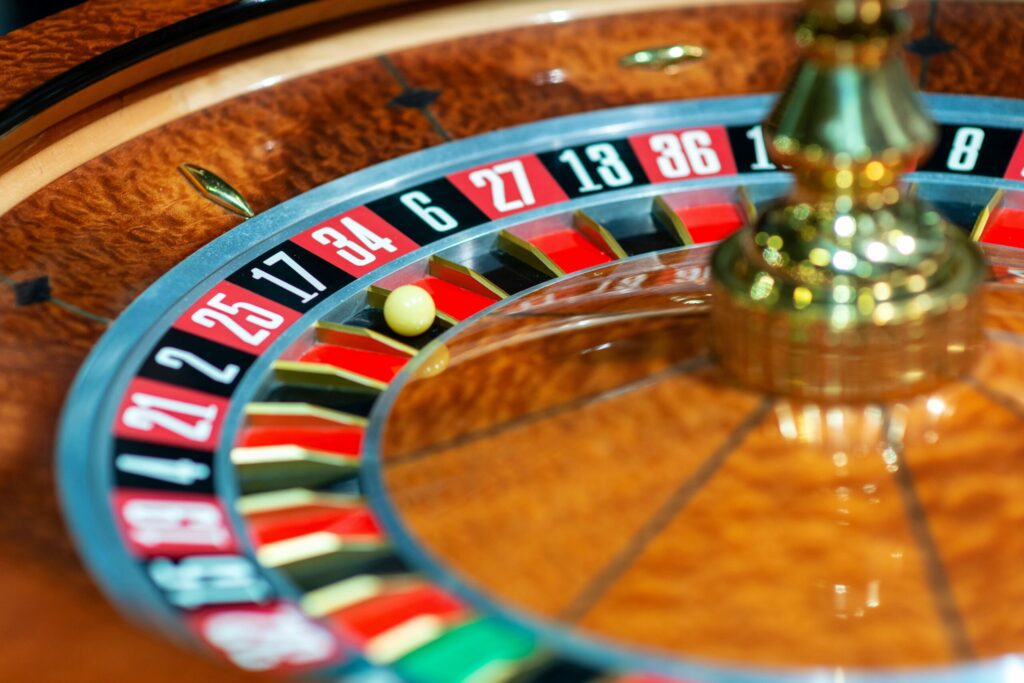
Introduction To Worst Roulette Numbers And House Edge
Roulette wheels have numbered pockets, and some players claim certain numbers are “less likely” to appear. Usually, these claims stem from noticing patterns in short sequences rather than the game itself.
What really influences outcomes over time is a combination of the wheel’s layout and a few special pockets. This design creates a slight margin for the casino, which affects the overall returns on most bets. Understanding this may clarify why certain numbers feel “worse” even though each has an equal chance on any spin.
What Is The Worst Number In Roulette?
Strictly speaking, there is no worst number. Every number on the wheel has the same chance of appearing on any single spin, and past spins do not affect the next.
That said, some players feel that a number “keeps losing” or hope a favourite will appear soon. These impressions come from short sequences rather than the probabilities of the game itself.
Certain pockets, like the green zero (and double zero on American wheels), might make outside bets less likely to succeed in a round. This does not change the chance for individual numbers, but it does subtly influence the average return from most wagers over multiple spins.
Why Zero Gives The House An Edge
Zero is neither red nor black, odd nor even, and does not belong to most common bet groupings. If it appears, many bets on the table do not win, which slightly reduces the overall potential payout on average.
On a European wheel with 37 pockets, a single-number bet typically pays 35 to 1 if successful, but the true probability of hitting any one number is 1 in 37. On an American wheel with 38 pockets, that same bet still usually pays 35 to 1 if it is successful, but the probability is 1 in 38. This subtle difference creates the margin that shapes outcomes over time.
Some European tables include rules like la partage or en prison for even-money wagers. These might lessen the overall disadvantage when zero comes up, though availability varies between casinos.
How Do European and American Roulette Differ in Number Odds?
The presence of a second green pocket on American wheels slightly alters the overall possible returns. The probability for a specific number remains uniform—1 in 37 on European wheels, 1 in 38 on American wheels—but the potential payout does not fully account for the extra pocket.
As a result, if you are betting on an American wheel, the expected potential return over many spins is generally a bit lower than on a European wheel. Knowing which type of wheel you are playing on may help in choosing which bets to place.
Common Misconceptions About Roulette Numbers
Many believe a number is “due” after not appearing for some time, or that a “hot” number will keep coming up. These ideas assume patterns exist where spins are actually independent events.
Similarly, some think certain numbers are inherently better picks because they appear more often in a session. While streaks happen by chance, they do not affect the probability of future spins.
Zero and double zero play a role in the returns of various bets, but they do not make any other number worse in isolation. Over multiple spins, outcomes reflect the uniform chance of numbers combined with the influence of the green pockets.
How The House Advantage Affects Your Bets
The built-in margin applies to all bets, even though different wagers cover different numbers and pay differently. A straight-up bet on a European wheel typically pays 35 to 1 if it’s successful with a 1 in 37 chance, creating an average disadvantage for the player. Red or black bets are slightly more likely to win on paper, but zero shifts the overall expectation by the same amount. On American wheels, this effect is slightly larger because of the extra green pocket.
This means that choosing particular numbers or bet types does not change the expected return. The odds are consistent; only the potential payouts and how frequently you may win might vary. Optional rules such as la partage affect only certain wagers and only when zero appears.
Understanding these factors clarifies why outcomes can vary during play, without suggesting that any single number is genuinely worse than another.
If you choose to play roulette, do so with responsible gambling practices in mind and never wager more than you are willing to lose. Set limits for both time and spending, and take regular breaks to reflect on your play. Seek support from professional organisations if gambling ever starts to feel like it’s affecting your life and well-being.
Play Roulette Online at Ivy Casino
At Ivy Casino, we are licensed and regulated by the UK Gambling Commission (UKGC), so you can be assured that our games meet strict standards for fairness and player protection.
You’ll find online roulette alongside blackjack, baccarat and more, with both live-dealer tables and Random Number Generator (RNG) versions available.
We also provide tools such as deposit limits, reality checks and time-outs, helping you shape your play in a way that works for you.
If you would like to try roulette online with us at Ivy Casino, feel free to create an account, deposit some funds to play with and explore the tables at your own pace.
**The information provided in this blog is intended for educational purposes and should not be construed as betting advice or a guarantee of success. Always gamble responsibly.