
Why Dealers Burn Cards in Blackjack: Myths vs. Reality
Have you ever noticed the dealer taking a card from the deck and quietly placing it face down before a round of blackjack begins? This move, known as burning a card, appears in many casino games, both online and in person.
You might wonder why dealers do this, especially since every card can change how a round unfolds. There is plenty of chat online about what it means.
Here, we separate myth from reality so you know what is actually going on at the table and what is just casino folklore. Read on to learn more.
What Burning Cards Means In Blackjack
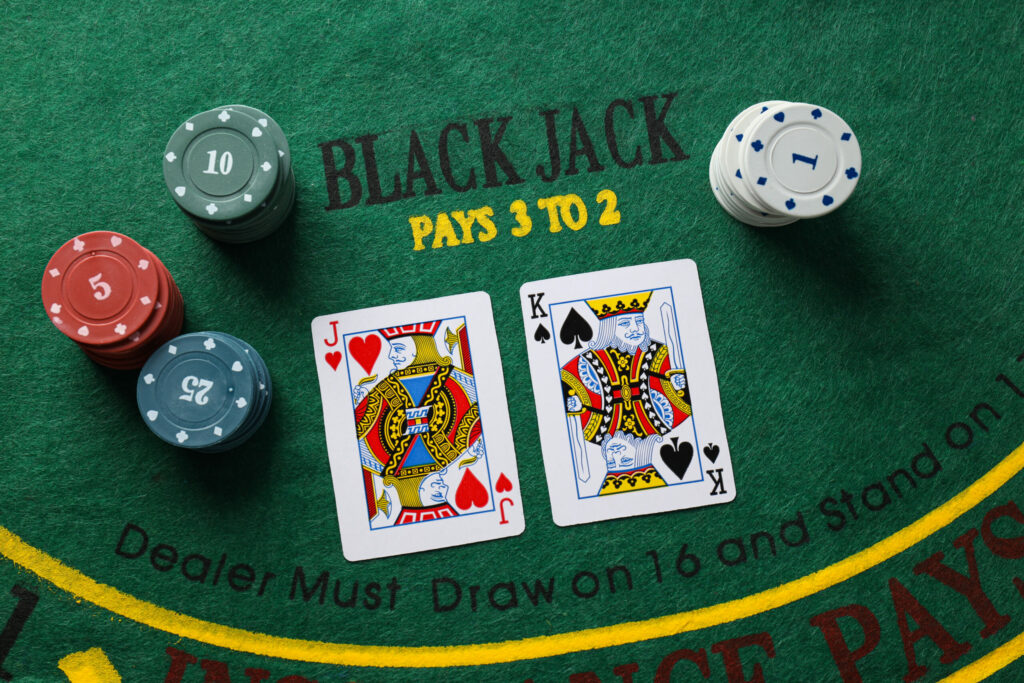
Burning a card in blackjack means the dealer removes the top card from the deck or shoe and puts it face down before starting the deal. The card is not seen or used in that round, and it stays hidden from both players and the dealer.
In land-based casinos, this usually happens right after shuffling or when a new shoe comes into play. Online, it depends on the format. Live dealer tables often mirror land-based steps, while fully digital games rely on a Random Number Generator (RNG) to set the order of cards and may not burn at all. If you want to confirm how a particular table works, the game rules or help section will usually spell it out.
If you do decide to try your hand at blackjack, remember to do so responsibly and within your means; never wager more than you can afford to lose.
Why Do Blackjack Dealers Burn Cards?
Burning cards is part of the standard dealing procedure in many casinos because it helps keep the game fair and consistent from the very first card.
The main aim is to remove any chance that the top card can be identified or used. A card might have a faint mark on the back, sit slightly higher than the rest after the cut, or get flashed by accident as the shoe is opened. Taking that card out of play stops anyone from gaining information before the deal begins.
It also reduces the value of techniques that try to track the first card after a shuffle. By removing that card, the start of each shoe becomes less predictable for players who rely on memory or visual cues. It is not a silver bullet against all advantage play, but it closes off an obvious route to early information.
There is a practical side too. Burning is a clear, visible step that shows the deal has begun cleanly and according to procedure. That consistency helps avoid disputes and keeps the pace of play steady.
Online games treat this differently. Live dealer tables may still burn the top card for transparency, while purely digital games already randomise the order electronically, so an extra burn is not always needed.
Common Myths About Burn Cards
Many players misunderstand the purpose of burn cards, often believing they dramatically influence the outcome of a hand. In reality, most concerns about burn cards stem from misconceptions that don’t align with how card distribution and game integrity actually work.
Do Burned Cards Change The Odds?
You may hear that burning a card skews the odds in blackjack. In reality, removing one unknown card at the start of a round does not give either players or the house a built-in edge.
A burned card changes the deck composition by one, but because nobody sees the card, no one can use that information. In multi-deck shoes, the effect is especially tiny and it applies to everyone equally. For players who track cards, the burn simply means the first card cannot be anticipated. It does not alter the long-term mathematics of the game or shift the expected value in favour of any one seat.
At regulated tables, the sequence is clear: the deck is shuffled, the top card may be burned, then the deal begins.
Why Burn Cards Improve Game Integrity
Burning supports game integrity by removing a point of potential information and reducing the impact of card imperfections. Even small defects on the back of a card, a slight bend, or a glimpse of the top card as the shoe is opened can be enough for a trained eye to act on. The burn neutralises that risk before any player receives a hand.
In physical casinos, the action is visible to everyone, which reassures players that the first card has not been exposed or influenced. In online formats, the same principle is achieved in different ways. Live dealer studios often include the burn as part of their dealing routine, while digital tables rely on certified RNGs to ensure the card order is unpredictable.
Casinos licensed by the UK Gambling Commission (UKGC) are required to set out their rules clearly and to use processes that protect fairness. Burning a card is one of several routine steps that work together to keep outcomes independent and free from interference.
Play Blackjack Online
If you want to see how online blackjack handles the deal, feel free to have a look at the tables at Ivy Casino. You will find both digital games and live dealer tables, so you can choose the format that suits how you like to play.
Each table includes clear rules that explain the number of decks, dealing style, any use of burn cards, and the RTP for that variant. It could be worth reading these notes so you understand how the game is run before you join a table.
Ivy Casino is licensed and regulated by the UKGC, with independent testing in place to confirm fair dealing. There are also built-in tools to help you manage your play in line with your preferences and budget, including limits and time reminders. Whether you are on desktop or mobile, you can browse different stake levels and game types at your own pace. Always keep responsible gambling practices in mind.
**The information provided in this blog is intended for educational purposes and should not be construed as betting advice or a guarantee of success. Always gamble responsibly.
*All values (Bet Levels, Maximum Wins etc.) mentioned in relation to these games are subject to change at any time. Game features mentioned may not be available in some jurisdictions.