
When Should You Bet on Zero in Roulette? Odds & Strategy
Many roulette players find themselves eyeing that single green zero on the wheel, wondering if there is a right moment to back it. It stands apart from the reds and blacks, and that difference shapes how the game plays out.
So how does a zero bet actually work, how does the payout compare, and what does zero do to other bets on the layout?
This guide covers the odds of zero, where it can fit within a broader approach, and how table rules can affect outcomes, all with UK players in mind.
What Happens When Zero Lands in Roulette?
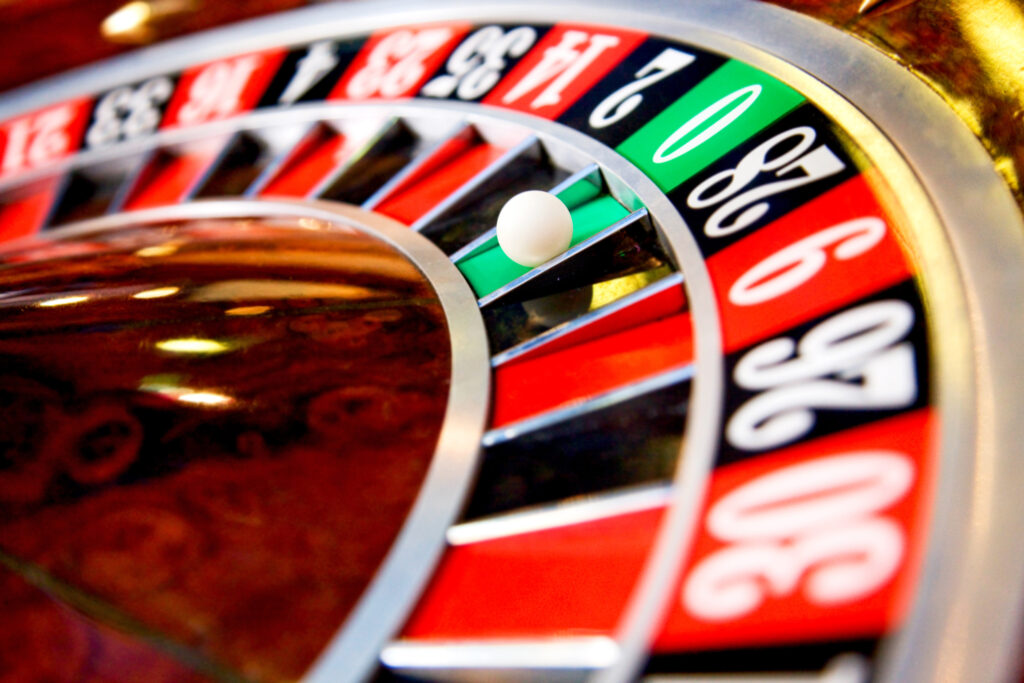
In roulette, the green zero is treated differently from the other numbers. If the ball lands in the zero slot, only chips placed directly on zero are paid. That bet is called a straight-up, and it pays 35 to 1. Stake £1 on zero and a winning spin returns £35 in winnings plus your £1 stake.
Outside bets like red, black, odd, even, high, and low do not include zero, so they lose if zero appears. Some European tables use rules that soften this for even-money bets. With la partage, you get half your stake back when zero lands. With en prison, your even-money stake is held for the next spin instead of being settled immediately. Always check the table rules first, as not every table offers these features.
So zero sits slightly outside the usual categories. The natural next question is how often that green pocket comes up.
How Often Does Zero Come Up on a Roulette Wheel?
On a standard European wheel there are 37 pockets, numbered 1 to 36 plus the single green zero. That gives zero a 1 in 37 chance on any spin, which is about 2.7%. American roulette adds a double zero, creating 38 pockets and lowering the chance of a single-zero hit.
Each spin is independent. Zero can appear twice in a row or not show for a long stretch, and neither outcome changes the chance on the next spin. The presence of zero is also what creates the house edge in European roulette.
With that in mind, is it ever worth staking just the single number?
Should You Ever Bet on Just Zero?
Backing only zero is a straight-up bet on a single outcome. The return is high at 35 to 1, but the hit rate is low because there are 36 other outcomes on a European wheel. Most spins will miss, so results can be swingy.
Some players like to include a small zero bet alongside other selections to cover the one pocket that causes even-money bets to lose. Others prefer to avoid single numbers entirely and stick to broader bets. Either way, knowing how rarely zero lands helps set expectations before you place a chip on it.
What Are the Payouts for Betting on Zero
A straight-up bet on zero pays 35 to 1. Stake £2 and a winning spin returns £70 in winnings plus your £2 stake.
You can also include zero using combination bets:
- A split with zero, such as 0-1, 0-2, or 0-3, pays 17 to 1.
- A three-number trio that includes zero, such as 0-1-2 or 0-2-3, pays 11 to 1. The chip is placed at the shared corner of those numbers.
Outside bets do not include zero, so they will not return a payout when zero lands. Standard roulette payouts apply online and in land-based venues, but there can be small rule variations, so it is worth checking the table information before you start.
Once the returns are clear, the next step is deciding when, if at all, to add zero to your selections.
Best Times to Bet on Zero in Roulette
When to Back Zero Based on Wheel Type
Wheel type matters. On a European wheel with a single zero, there are 37 outcomes and the zero pocket has a distinct role in the layout. Because even-money bets do not cover zero, some players choose to place a small straight-up bet on it from time to time as a way to complement those broader bets. Others will add zero occasionally to vary their number coverage across a session.
There is no requirement to include it, of course. The key is understanding what zero does to your other bets and deciding whether that added exposure fits your approach.
When Zero Matters in European vs American Roulette
American roulette includes a double zero, increasing the total pockets to 38. That reduces the chance of any single number winning, including zero, while the payout stays the same. If there is a choice, European roulette is typically the more favourable option for single-number bets because it has one fewer pocket and a lower house edge overall.
How Zero Affects Other Roulette Bets
Impact on Even Money Bets
Even-money bets pay 1 to 1 and cover red, black, odd, even, high, or low. As explained earlier, zero does not sit in any of those groups, so even-money bets lose when it appears unless the table offers la partage or en prison. Where used, those rules either return half the stake or hold it for the next spin, which slightly reduces the impact of zero on these bets.
How Zero Changes Outside Bets
Outside bets such as columns and dozens cover wider sections of the layout, but they still do not include zero. If the ball lands in the green pocket, these bets are settled as losses. Only bets that explicitly include zero are paid when it hits.
Play Casino Games Online at Ivy Casino
Ivy Casino brings together classic table games and new releases in one easy-to-use place, with clear game information so you can see how each title works before you play.
Switch smoothly between desktop, tablet, and mobile. Roulette, blackjack, and live dealer tables are ready when you are, while the slots library offers plenty to explore at your own pace. Payments are handled securely in line with UK regulations, and our support team is on hand if you ever need help.
Understanding how zero works can make roulette feel more transparent, whether you prefer even-money bets or the occasional straight-up on a single number. Play with the tools and information you need to stay in control. For advice and support, visit BeGambleAware.org.
**The information provided in this blog is intended for educational purposes and should not be construed as betting advice or a guarantee of success. Always gamble responsibly.