
What Is Keno? How to Play & Rules for New Players
Keno is a straightforward numbers game found online and in casinos. It seems somewhat like a lottery, with people selecting numbers and observing how the draw unfolds.
This blog post explains what Keno is, the core rules, how a stake fits into a ticket, how the draw functions, and how potential payouts are calculated. It also outlines common mistakes new players make and how to avoid them.
Read on to learn more.
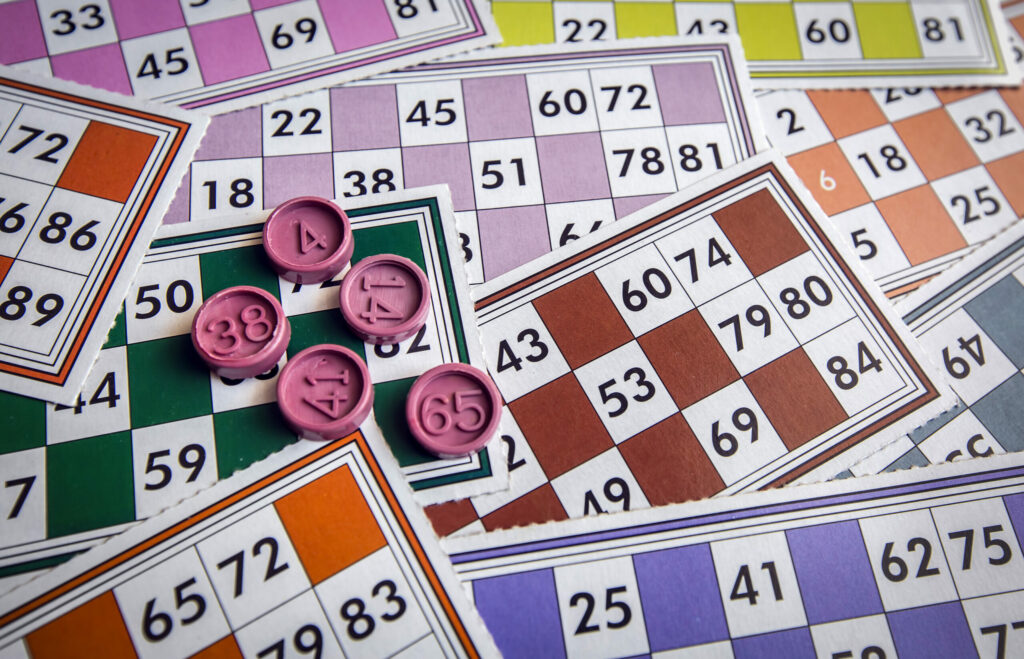
What Is Keno?
Keno is a game where players choose numbers from a set, usually 1 to 80, and a draw then selects a group of winning numbers. Matching selections might lead to a return, though the exact way this is measured becomes clearer later.
Its appeal lies in its straightforward format. There is no requirement to learn intricate tactics, making it potentially more approachable for newcomers and familiar to those already interested in casino-style titles.
With the basic idea introduced, the next section shows how those elements guide each round in more detail.
What Are The Basic Rules Of Keno?
A Keno ticket displays numbers 1 to 80. Players pick a set of spots, though for now, it is enough to know that different games allow different quantities. Later sections explain how the number of spots influences other parts of the game.
After selections are fixed, the draw produces a batch of winning numbers, usually twenty. Your result is based on how many of your chosen spots appear in that batch. This is where the paytable becomes useful—a chart showing how various match counts relate to potential returns, which will be explored further on.
For instance, an 8-spot ticket with 5 matches corresponds to a particular entry on that game’s paytable, though another version might value that same outcome differently.
With that outline in place, the next step is seeing how a ticket is actually set up.
How Do You Place A Keno Bet?
Placing a Keno stake starts with picking your numbers on a digital ticket or paper slip. At first glance, this simply looks like choosing from a list, but the number of spots you select affects how the paytable responds, something explained more clearly in the payout section.
Online, the ticket is confirmed on screen. In a venue, the slip is handed to staff. After confirmation, the ticket becomes fixed for that draw, so it helps to check your numbers and your chosen stake before submitting it.
Most licensed sites provide tools such as deposit limits and time reminders. These features may support balanced play by helping your sessions remain within boundaries that suit you.
Having set up a ticket, the next question is how the game produces the winning numbers.
How Are Keno Numbers Drawn?
Winning numbers in Keno are selected at random from the full range, usually 1 to 80.
In physical venues, mechanical draw machines or numbered balls are typically used to maintain consistency without human intervention. Online Keno uses a Random Number Generator (RNG), independent software designed so each result stands apart. Reputable operators test and certify their RNGs to meet regulatory standards.
Once the draw is published, players compare the result with their ticket. With the draw complete, the next focus is on how the game calculates the value of a winning outcome.
How Do Keno Payouts Work?
Potential payouts in Keno depend on two elements already mentioned: the number of spots selected and the number matched. The paytable sets out the potential return for every combination. A 4-match result on a 6-spot ticket differs from 4 matches on a 10-spot ticket because the underlying rows of the paytable are not the same.
Since paytables vary between versions, checking them before you choose to play can help prevent unexpected outcomes. Some games present more frequent modest returns at lower spot counts, whereas others place more emphasis on larger spot selections that require additional matches.
Online, any return is credited automatically. In a venue, you would claim it at the Keno desk.
What Are The Most Common Mistakes New Players Make?
Before looking at the specific points, it might help to recognise a few patterns that often appear when someone is still getting used to how Keno works, especially if they choose to play without fully exploring the details:
- Ignoring the paytable. Many first-time players do not check how their chosen spot count is valued. Two games might price the same outcome differently.
- Selecting too many or too few spots without considering trade-offs. Earlier sections noted that spot count influences potential payouts; the paytable balances match likelihood with potential returns.
- Not setting a clear budget. Without a spending limit, sessions may go further than intended, especially if you choose to play several quick rounds.
- Acting impulsively after a setback. Rushing decisions following losses might lead to choices that move away from your original plan.
- Skipping breaks. Short pauses help keep decisions steady and signal if it is time to stop.
Set limits that suit your circumstances and take regular breaks. If gambling begins to affect your well-being or finances, seek support promptly. Organisations such as GamCare and GambleAware provide free, confidential assistance.
Play Casino Games Online at Ivy Casino
If you are considering exploring online casino games, we at Ivy Casino offer a variety of options that you can browse in your own time. Our site is licensed and regulated by the UK Gambling Commission (UKGC), and our games are independently tested to ensure they meet recognised fairness standards.
You’ll have plenty to look through, from well-known slots to long-standing tables such as roulette, blackjack, and baccarat. You can choose between RNG titles or live dealer tables if you prefer something that feels more personal.
Ivy Casino also provides responsible gambling tools so you can set limits that fit your budget.
If you would like to get started, feel free to make an account at Ivy Casino, deposit some funds to play with and explore the games at your own pace.
**The information provided in this blog is intended for educational purposes and should not be construed as betting advice or a guarantee of success. Always gamble responsibly.