
Triple Zero Roulette Guide: 3-Green 000 Roulette Wheel Explained
Triple Zero Roulette Guide: 3-Green 000 Roulette Wheel Explained
Think you’ve seen every twist a roulette wheel can throw at you? Triple Zero Roulette adds a third green 000 pocket to the mix, and it is turning heads at land-based and online tables.
That single change tweaks the rules, reshapes the table, and shifts the maths behind every wager.
Curious how it compares to single and double zero wheels, and what that extra green slot means for the house edge? This guide breaks it down so you know what to expect before placing a bet.
What Is Triple Zero (3-Green 000) Roulette And How Does It Differ From Other Wheels?
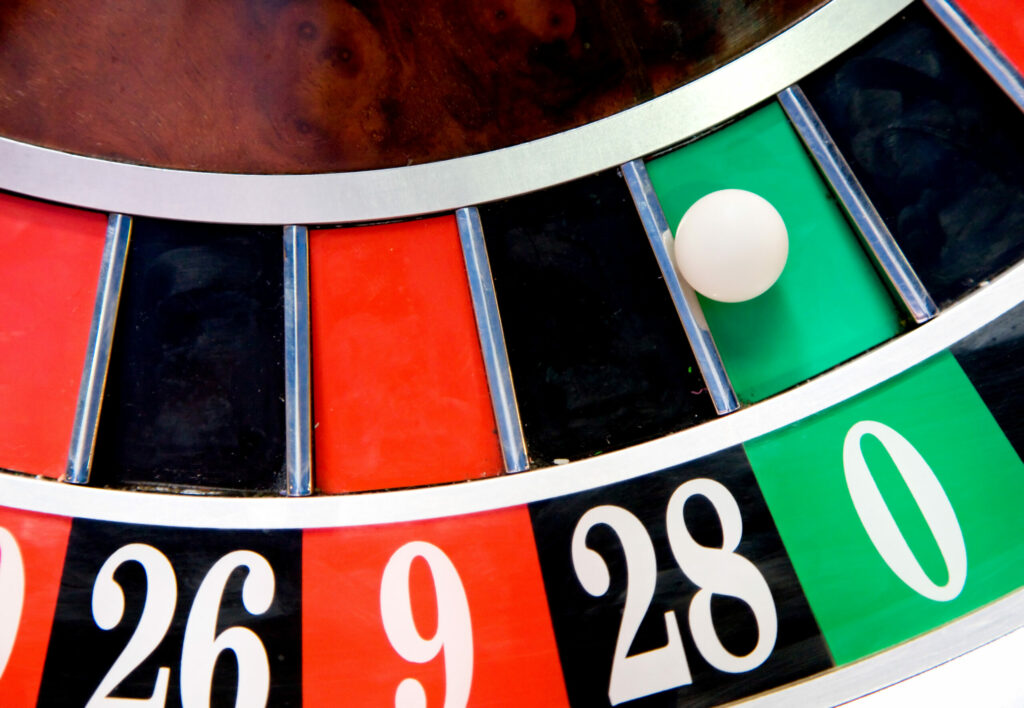
Triple Zero Roulette is a variant of the classic game in which the wheel contains three green pockets: 0, 00, and 000. It plays in the familiar way, but with an additional green slot added to the usual layout.
By comparison, the European wheel has a single zero (37 pockets in total), while the American wheel has 0 and 00 (38 pockets). Triple Zero increases this to 39 pockets, with the numbers 1 to 36 still alternating between red and black.
The betting layout on the felt is adjusted to include a dedicated space for 000. Otherwise, the general structure of inside and outside bets remains similar, though table rules can vary by venue, so it is sensible to read the paytable before placing chips.
Because there are more green pockets but standard payouts often remain the same (for example, a straight-up typically pays 35:1), the house edge increases. If standard payouts apply, the house edge is typically around 7.69% on many bets, compared with about 5.26% on double-zero and about 2.70% on single-zero wheels.
Availability may differ by casino, and some tables may offer specific combination bets that include 000. Always check the posted rules to understand exactly what is covered and how each wager pays.
Roulette outcomes are random and no strategy can guarantee a return. If you choose to play, set limits, never wager more than you can afford to lose, and consider the higher house edge compared with single- or double-zero versions.
How Is The Triple Zero Wheel Laid Out?
Number Positioning And Green Slot Placement
The Triple Zero wheel has 39 pockets in total: 1 to 36, plus the three green slots 0, 00, and 000. This means there are the usual thirty-six red and black numbers, with an additional green pocket compared with double-zero formats.
On the wheel, the green pockets are spaced out to maintain physical and visual balance, with red and black numbers alternating between them across the rim. The number order will look broadly familiar if you know American layouts, though the presence of a third green is immediately noticeable and affects the spacing between sequences of red and black numbers.
Exact sequencing can vary slightly by manufacturer or venue, but the principle remains consistent: the three green pockets are distributed so that no section of the wheel is overly weighted by consecutive colours or clusters of adjacent high or low numbers.
On the table, you will see the extra 000 betting space alongside 0 and 00 at the top of the grid. That addition preserves the traditional look and feel of the betting layout while accommodating the third green pocket, so inside bets (such as straight up or split) still map intuitively to their wheel counterparts.
Some tables may also reflect the extra green on any racetrack or neighbour-bet panels, where available. If provided, these side layouts allow you to select sections corresponding to the wheel’s physical arrangement, including the 000.
With the layout clear, the next natural question is how bets and payouts work with that extra slot. Because there is an additional green pocket, the probability of non-green outcomes changes, which in turn affects the house edge compared with single- or double-zero versions. Always check the displayed rules and paytable for the specific table you are playing.
For transparency, look for the game information at the table or on-screen, including the return-to-player (RTP) details and any special bet availability. Set limits and play responsibly.
Bet Types And Payouts On Triple Zero Wheels
All the usual roulette bet types are available on a Triple Zero wheel. You can stake on single numbers, small groups of numbers, colours, odd or even numbers, and more. Availability and layout can vary by table and operator, so always check the specific rules in use.
The third green 000 simply adds another straight up option. You can bet on 0, 00, or 000 just like any other single number; it is treated the same for settlement purposes. The presence of 000 does not change how inside or outside bets are placed, but it does affect the underlying chances of those bets winning.
Payouts typically match traditional roulette, although some venues may use alternative paytables for Triple Zero. Always refer to the on‑table paytable and house rules before you play, including any table limits.
Straight Up (any single number, including 000): 35 to 1
Split (two numbers): 17 to 1
Street (three numbers): 11 to 1
Corner (four numbers): 8 to 1
Line (six numbers): 5 to 1
Column/Dozen: 2 to 1
Even Money Bets (red/black, odd/even, 1-18/19-36): 1 to 1
Those payouts might look familiar, but the underlying probabilities shift once three green pockets are in the mix. With 39 pockets in total, a straight up bet wins 1 in 39 on average, and the house edge at standard payouts is approximately 7.69%. Even‑money bets win on 18 out of 39 outcomes (about 46.15%), while a dozen or column covers 12 out of 39 (around 30.77%).
Roulette is a game of chance and no staking system can remove the house edge. Only gamble what you can afford to lose, set limits, and take breaks. If the fun stops, stop. Players must be 18+ in the UK. All figures are illustrative; actual rules, RTP, and limits may differ by table—check before you play.
How Do The Odds, House Edge And Expected Return Compare To Double Zero And Single Zero Wheels?
Triple Zero Roulette gives the casino a larger statistical advantage than single or double zero versions. Figures below refer to standard roulette payouts (for example, 35:1 on straight-up bets) and typical rules without variants such as la partage or en prison, which can alter the figures slightly:
- Single zero (European) has 37 pockets (0–36) with a house edge of about 2.7% and an expected long‑term return of roughly 97.3%.
- Double zero (American) has 38 pockets (0–36 plus 00) with a house edge of about 5.3% and an expected return of roughly 94.7%.
- Triple zero has 39 pockets (0–36 plus 0, 00 and 000) with a house edge of about 7.7% and an expected return of roughly 92.3%.
Put another way, over the long run the expected average loss per £100 wagered is about £2.70 on a single zero wheel, £5.30 on a double zero wheel, and £7.70 on a triple zero wheel. These are theoretical averages calculated over a very large number of spins; short‑term results will vary, and no outcome is ever guaranteed.
The payouts do not increase to offset the extra zero(s), so the added green pocket simply lowers the probability of winning on every bet and reduces overall returns. That difference shows up across every type of wager on the table, from even‑money outside bets to single‑number inside bets.
All outcomes are random and independent. The house edge reflects the built‑in advantage for the operator and cannot be overcome by betting systems. Only gamble if you are comfortable with the risks, set limits, and never stake more than you can afford to lose.
How Are Inside Bets And Outside Bets Affected By The Extra Zero?
Inside bets such as straight up, split, street, and corner keep the same listed payouts (for example, 35:1 for a straight up), but the chance of any single outcome landing is lower on a 39‑pocket wheel. With more green pockets, each number has a smaller share of the wheel than on single- or double-zero tables, so you are staking the same for a reduced hit rate and a weaker expected return.
This shift does not change how the chips are placed or how wins are calculated on the layout; it simply means wins will occur less often on average. As ever, outcomes are random and no staking pattern can offset the higher house edge created by the extra zero.
Outside bets such as red/black, odd/even, and high/low are also affected, because none of the green pockets count towards these outcomes. For example, an even‑money bet wins on 18 of the 39 pockets in Triple Zero Roulette, which is a lower proportion than on single or double zero wheels. The extra green pocket increases the number of ways those outside bets can miss, so losing spins will be slightly more frequent.
The same applies to dozens and columns: they still pay 2:1 but cover 12 out of 39 pockets, so they succeed less often than on wheels with fewer zeros. Always check the table rules and paytable before you play, and consider whether a wheel with fewer zeros better suits your preferences.
Gambling should be for entertainment. Set limits, never chase losses, and only stake what you can afford to lose.
Can Betting Systems Or Patterns Improve Results On A Triple Zero Wheel?
No betting system can remove the house edge on a Triple Zero wheel. With three green pockets, the advantage to the house is higher than on single- or double-zero versions, and this remains true regardless of how you vary your staking or select numbers.
Progressions like Martingale or Fibonacci may change how stakes rise and fall, but they do not alter the long‑term expected results. At best, they shift variance and the pattern of wins and losses; at worst, they accelerate losses when a negative run occurs.
Each spin is independent, and payouts are fixed, so previous outcomes do not influence future ones. Chasing losses or believing a result is “due” is a common fallacy, and table limits and finite bankrolls can quickly bring any progression to a halt.
If you choose to play, set clear limits, treat it as entertainment, and only gamble what you can afford to lose. Never rely on a system to make a profit, stop if it stops being fun, and seek support if you are concerned about your gambling. 18+ only.
How To Read The Table Layout And Place Common Bets
The Triple Zero table resembles other roulette layouts, with one key difference: the extra 000 pocket. At the top of the main grid, you will see 0, 00, and 000, which are treated as separate green numbers. The wheel and layout are designed so that each spin is independent, and no betting option can influence the result.
A straight up bet places chips directly on a single number, including 0, 00, or 000. This bet targets just one outcome and typically offers the largest single-number payout, but it also has the lowest chance of winning. Ensure your chip sits squarely in the middle of the chosen number’s box.
A split bet covers two adjoining numbers, with chips sitting on the line between them. Street bets cover a row of three numbers using the outer edge of that row, while corner bets cover four numbers at their shared intersection. For all inside bets, precise chip placement matters, so take a moment to position your wager clearly before the spin.
For outside bets like red/black, odd/even, or high/low, the marked areas surround the grid. These options cover broader groups of numbers and usually have a higher chance of winning than single-number bets, but they never include the green pockets (0, 00, or 000).
You may also find dozens and columns, each covering 12 numbers in a clearly labelled area beneath or beside the main grid. These still exclude the green pockets, and the presence of 0, 00, and 000 means outside bets do not cover every possible outcome.
If you are new to the layout, a quick look around the felt helps everything click into place before you start. Check the table limits and any house rules for this variant so you know exactly what is allowed, and ask the dealer for clarification if playing in a physical venue.
Play responsibly: set a budget and time limit, only wager what you can afford to lose, and never chase losses. Roulette outcomes are random, and there is no strategy that can guarantee a return.
Common Myths About Triple Zero Roulette Debunked
It is easy to come across rumours and half-truths about Triple Zero Roulette, so let’s set the record straight.
Always review the game rules and paytable before you play. Understanding how the extra zero affects the house edge helps you make an informed choice.
Myth 1: “The payouts must be higher to make up for the extra zero.”
Payouts typically mirror other versions (for example, 35:1 on a straight-up). The extra green pocket does not increase the listed returns; instead, it reduces the overall return to player by increasing the house edge.
Check the game information for the stated RTP and rules, as these figures can vary by provider. Higher house edge means your expected results are less favourable over time.
Myth 2: “Betting systems can beat the odds.”
No staking pattern, progression, or timing strategy changes the underlying probabilities. Systems like Martingale or Labouchère may alter volatility, but they cannot overcome the house advantage on any spin.
Table limits and bankroll constraints also mean losses can mount quickly. Each spin is independent, and the expected outcome remains the same regardless of your previous results or stake size.
Myth 3: “It is just as fair as single or double zero roulette.”
Licensed games are designed to produce random outcomes, but fairness in process is different from favourability for players. With three green pockets, more results bypass player-number bets, making Triple Zero less favourable than single or double zero formats.
Put simply, more zeros increase the house edge and reduce RTP, even though the wheel or RNG remains random.
Myth 4: “Green pockets rarely come up.”
Each pocket, including 0, 00, and 000, has the same chance on any given spin. Over many spins, they can appear in streaks or clusters—this is normal variance, not a bias.
A recent run of reds, blacks, or zeros does not influence the next result. Avoid the gambler’s fallacy: past spins do not predict future outcomes.
Play for entertainment, set sensible limits, and only wager what you can afford to lose. Do not chase losses, and consider using deposit, time, or loss limits to stay in control.
If play stops being enjoyable, take a break. If you are concerned about your gambling, seek support from recognised help services.
**The information provided in this blog is intended for educational purposes and should not be construed as betting advice or a guarantee of success. Always gamble responsibly.