
Suited Trips in Blackjack Explained: 21+3 Side Bet Guide
Ever wondered what makes the 21+3 side bet in blackjack so popular? If you have heard the term “suited trips”, you might be curious about how it works and how it fits into a hand of blackjack.
The idea is simple, but the details can be confusing at first. Whether you are new to the game or just want something extra alongside your main hand, understanding suited trips and the 21+3 side bet helps everything click.
Ready to see how it works, what pays what, and what the odds look like? Keep reading as we break it down in clear, straightforward terms.
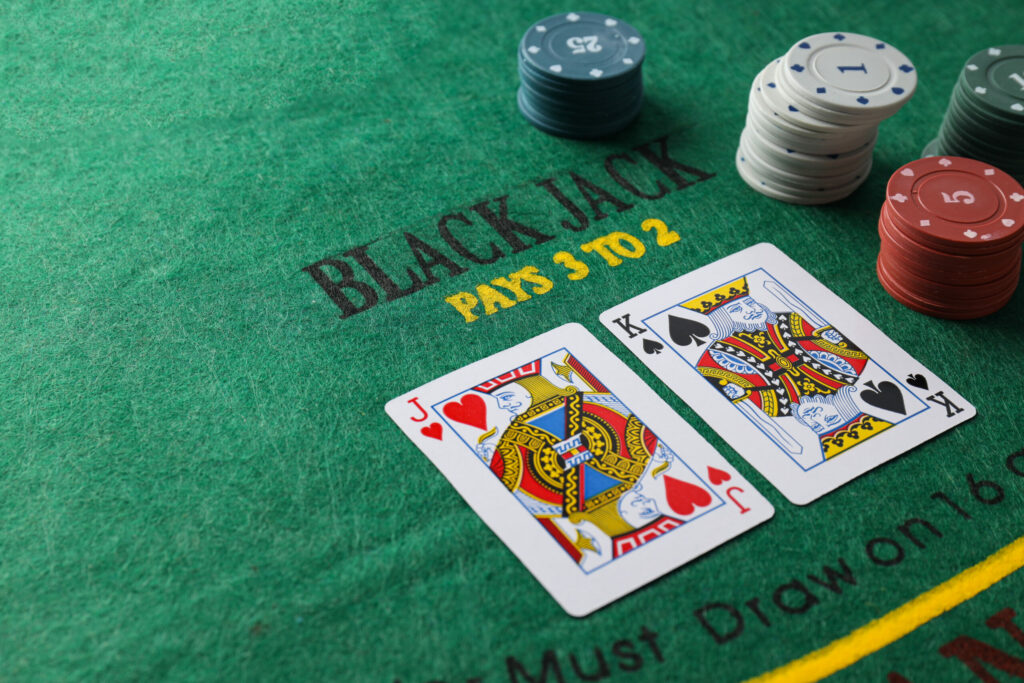
What Are Suited Trips In Blackjack?
Suited trips in blackjack are a special kind of hand available on the optional 21+3 side bet. This wager is separate from your main blackjack hand and is settled on the basis of three cards only, not on whether you subsequently win or lose the round of blackjack.
The 21+3 outcome is formed from your first two cards and the dealer’s upcard, creating a three‑card poker‑style combination. The side bet is placed before any cards are dealt and is evaluated as soon as those three cards are visible.
If all three cards — your two cards and the dealer’s visible card — are the same rank and the same suit, you have suited trips. For example, holding two 9 of Spades cards while the dealer shows a 9 of Spades is suited trips. If the three cards share the same rank but not the same suit, that is a standard three of a kind, which is a different result and typically pays less where offered.
Suited trips are one of the rarest winning outcomes on many 21+3 paytables and often return the highest listed payout for that side bet. Exact payouts and availability vary by table, rules, and paytable, so always check the information provided at the game. Using multiple decks does not change the definition, although it will affect the underlying probabilities.
As with all gambling, outcomes are determined by chance. Side bets commonly carry a higher house edge than the main blackjack game, and no strategy can guarantee a win. Only stake what you can afford to lose and consider the side bet purely as an optional extra.
To see how this fits into a round, the 21+3 side bet is placed before the deal and is settled once your two cards and the dealer’s upcard are revealed. Any win or loss on the side bet is independent of, and does not affect, how you then play your main blackjack hand.
How Does The 21+3 Side Bet Work?
The 21+3 side bet is an optional wager you place before any cards are revealed. It is completely separate from your main blackjack hand and does not change how your primary bet is played or settled.
The bet uses your first two cards together with the dealer’s face‑up card to create a three‑card poker‑style hand. Recognised hands typically include a straight, a flush, three of a kind, a straight flush, or suited trips. If the three cards do not make a qualifying hand, the side bet simply loses.
When a qualifying hand appears, the dealer settles the side bet immediately according to the table’s published pay table. This settlement usually occurs before the main hand continues, and it does not affect any decisions you make on your blackjack hand.
Pay tables and specific hand definitions can vary by casino or game variant. For example, whether an ace counts high, low, or both for straights, or how ties are treated, will be set out in the game rules. Always check the help screen or table rules so you know exactly which combinations qualify and what they pay.
Outcomes are based on chance and no betting strategy can influence whether a 21+3 hand lands. Side bets generally have higher volatility and a higher house edge than the main game, so treat them as optional extras and only stake what you can afford to lose.
Among the qualifying hands, suited trips usually ranks at the top of the pay table. With that in mind, let us pin down exactly what counts as suited trips and how it is assessed on your table.
Which Card Combinations Qualify As Suited Trips?
To qualify as suited trips, your two cards and the dealer’s upcard must all be the same rank and the same suit. In other words, all three cards match perfectly in both value and suit.
For example, if you are dealt the 7 of Clubs and 7 of Clubs from a multi-deck shoe, and the dealer shows a 7 of Clubs, that is a suited trips combination. The same applies to three cards such as King of Hearts, King of Hearts, and King of Hearts, or three 4 of Diamonds cards.
The order of the cards does not matter. What matters is that all three cards are identical in rank and suit across the player’s hand and the dealer’s upcard.
Because this outcome is highly specific and uncommon, it is treated as a premium result on many side bets. However, availability, qualifying rules, and payouts can vary by casino and table, so always check the posted house rules before playing.
Side bets are entirely optional and involve a higher house edge in many cases. Payouts are not guaranteed and depend on the actual occurrence of the result as dealt; published paytables set the return for winning outcomes.
Only stake what you can afford to lose and consider your bankroll carefully. If you are unsure about the rules or odds at your table, ask the dealer for clarification before placing a wager.
How Are Payouts Calculated For Suited Trips?
Payouts for suited trips on the 21+3 side bet are offered at fixed odds shown on the table layout or pay table. As suited trips is the rarest qualifying result, it usually carries the top return, often quoted around 100 to 1, though the exact figure can differ by venue, ruleset, or game variant.
When this outcome hits, your return is a multiple of your stake based on the posted odds, and your original side-bet stake is also returned. If the outcome does not qualify, your side-bet stake is lost. The 21+3 wager is settled independently of the main blackjack hand.
Always review the pay table where you are playing to confirm the precise odds and any applicable rules. Some tables may apply maximum payout limits or specific house procedures that affect settlement, so checking in advance helps you understand the exact amounts you could receive.
Remember that suited trips is a very low-probability result, and side bets typically carry a higher house edge than the main game. Only bet what you can afford to lose and play responsibly.
Example Payout Calculation For A Suited Trips Win
Let us say you place a £5 bet on the 21+3 side bet, which is an optional wager available on some blackjack tables.
If the suited trips payout is listed as 100 to 1 and you win, that means your £5 bet would return £500 in winnings, and you would also receive your original £5 stake back.
So, your total return would be £505 for that side bet outcome.
Please note, paytables and rules can vary by game and operator. Some games may quote payouts differently (for example, “for 1” rather than “to 1”), which affects whether the stake is returned separately. Always check the table rules and paytable before you play.
Side bets are optional, higher-volatility wagers with a generally higher house edge than the main game. Results are determined at random and examples are for illustration only; they do not indicate future outcomes. Set affordable limits and gamble responsibly.
What Are The Odds Of Hitting Suited Trips?
On the 21+3 side bet, “suited trips” means your two player cards and the dealer’s upcard form three of a kind, all in the same suit. It is an exceptionally rare outcome.
The exact probability varies by table rules and the number of decks, but it is consistently among the hardest combinations to make. Game configuration and shuffling procedures can also influence the precise figures published by the operator.
As an indicative guide, in a typical six-deck game the chance is roughly 1 in 2,000 hands. With fewer decks the probability improves slightly, but it still remains a long shot and should be considered an uncommon event.
Payouts for suited trips are set to reflect this rarity. Always refer to the table’s paytable for the current award, and remember that advertised returns are based on long-term averages and may differ between venues and game variants.
These low probabilities feed directly into the house edge on the 21+3 bet, which is usually higher than the main blackjack game. Check the published RTP or house edge for your specific table to understand the expected long‑term return.
Outcomes are random and no strategy can guarantee or materially increase the chance of hitting suited trips. Treat side bets as optional entertainment, set limits, and only stake what you can afford to lose.
How Does Suited Trips Affect The House Edge?
Adding the 21+3 side bet increases the house edge compared to regular blackjack. Because suited trips and other qualifying hands occur infrequently, the casino advantage on this wager is generally higher than on the main game, which is built around decisions you make each hand.
The exact edge depends on the paytable, number of decks, and house rules, so the published return to player (RTP) for 21+3 can vary. Rarer outcomes like suited trips offer larger payouts, but their low frequency means the long‑term expectation still favours the house.
Over time, the maths favours the house on 21+3 more than it does on standard blackjack decisions. The side bet also increases volatility, so your balance may swing more sharply than with the main hand alone, even when you play perfectly.
If you choose to add the side bet, treat it as an optional extra for entertainment rather than a way to improve your odds. Check the table’s rules and paytable, and set clear limits that suit your budget before you start.
Gamble responsibly: never chase losses, consider setting time and spend limits, and only stake what you can afford to lose. If the side bet stops being enjoyable or affordable, take a break or skip it.
Typical Payout Tables For The 21+3 Side Bet
Most casinos use similar payout tables for the 21+3 side bet, although small differences do exist from one table to the next. The bet is settled using your first two cards and the dealer’s upcard to form a three‑card poker hand, and all outcomes are chance‑based.
Below is a common example of how payouts are usually structured. These returns typically apply per unit staked on the side bet and are paid independently of the main blackjack hand:
- Suited Trips: 100 to 1
- Straight Flush: 40 to 1
- Three of a Kind: 30 to 1
- Straight: 10 to 1
- Flush: 5 to 1
Hand definitions follow standard three‑card poker rankings: a flush is any three cards of the same suit; a straight is three cards in sequence regardless of suit; three of a kind is three cards of the same rank; a straight flush is three in sequence of the same suit; and suited trips are three cards of the same rank and suit (possible in multi‑deck shoes).
Some tables tweak these figures, so always check the specific pay table, minimum/maximum side‑bet limits, and house rules at your seat before you play. The house edge and RTP for 21+3 vary by pay table, number of decks, and whether jokers or other variants are in use.
Remember that side bets are higher‑volatility and generally carry a larger house edge than the main game. Wins are not guaranteed, past results do not influence future outcomes, and you should only stake what you can afford to lose. If in doubt, ask the dealer or floor for clarification and consider playing without side bets.
With the numbers in mind, let us clear up a few myths.
Common Misconceptions About Suited Trips
Some players think suited trips are more likely than they are. In reality, the odds are very low and depend on the number of decks and the specific paytable, which is why the payout is high.
Even in multi‑deck shoes where duplicates of the same rank and suit exist, this outcome remains rare. Always check the table rules to understand the exact probability and return for your game.
Others believe special in‑game choices can create suited trips. For 21+3, the outcome is determined solely by the first three cards in view (your initial two cards and the dealer’s upcard), so no decision making after the deal can influence whether those three cards match in rank and suit.
This applies whether you later hit, stand, split, or double. The side bet is settled on those initial three cards and nothing you do afterwards can alter that result.
There is also a belief that playing more hands or increasing your stake will boost your chances. Each round is independent, and no staking system can change the underlying probabilities or the long‑term house edge.
Playing faster or for higher amounts simply increases your exposure to variance and potential losses. Set limits that suit your circumstances and avoid chasing losses.
Finally, some assume suited trips are linked to the result of the main blackjack hand. The side bet is evaluated on the first three cards only, so you can win the 21+3 bet even if your blackjack hand loses, or vice versa.
Settlement timing can vary by table, but the result is based on those three cards and is not affected by later draws in the main hand.
Understand what qualifies, how the payouts work, and the odds involved, and you will be well placed to decide whether 21+3 suits the way you like to play.
Read the paytable and game rules, note the RTP/house edge for the side bet, and only stake what you can afford to lose. Outcomes are random, and there is no system that guarantees a win.
**The information provided in this blog is intended for educational purposes and should not be construed as betting advice or a guarantee of success. Always gamble responsibly.