
Roulette Wheel Layout Variations: Number Order Compared
Roulette is a well-known casino game, identified by its spinning wheel and numbered pockets. While instantly recognisable, many players may not realise that the arrangement of numbers differs between versions of the game. These variations might influence bets that involve groups of neighbouring numbers on the wheel.
Understanding these layouts may give players insight into how wagers relate to the wheel. The rules of the game and the probabilities remain the same, but knowing the wheel’s arrangement can assist with certain types of bets.
This blog post explores different roulette wheel arrangements, why they vary, and how these differences might affect the approach to wagers.
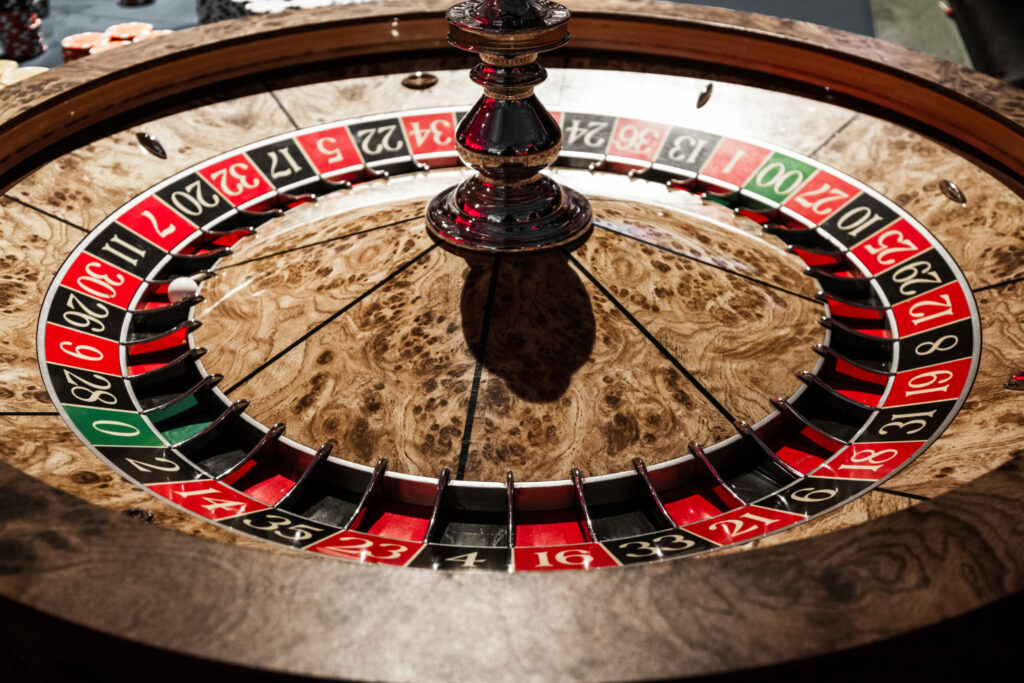
Why Roulette Wheel Layouts Matter for Players
The numbers on a roulette wheel are not placed randomly. They are organised to spread odd and even numbers, high and low numbers, and red and black pockets around the wheel. This careful distribution creates a visually balanced sequence.
For players, knowing the layout is especially relevant when considering bets that depend on numbers’ positions on the wheel rather than the betting table. Examples include wagers that cover numbers immediately next to a chosen pocket or specific arcs around the wheel. Being familiar with the wheel allows players to see which numbers are included in these types of bets.
It is important to note that the layout does not influence the outcome of individual spins. Each spin is independent, and the ball has an equal chance of landing in any pocket. The layout only affects how numbers are grouped for wheel-based wagers.
Familiarity with the layout may make reading the wheel more intuitive and might assist if you choose to place bets that rely on neighbouring numbers.
Are All Roulette Wheels The Same Layout & Order?
Not all roulette wheels are identical. The layout and number of pockets vary depending on the version being played.
The two most common types are:
- European and French roulette: Typically use a wheel with a single zero and 37 pockets.
- American roulette: Uses a double-zero wheel with 38 pockets.
Occasionally, novelty wheels might appear in casinos, but they are rare and usually clearly labelled. The sequence of numbers does not change the fairness of the game but does influence which numbers are next to each other on the wheel.
The number of pockets also slightly alters the probability of winning certain bets. For instance, the single-zero wheel generally offers a slightly higher chance of success on some wagers than the double-zero wheel.
As always, if you choose to play, gamble only what you can afford to lose and consider roulette as entertainment.
How European Roulette Numbers Are Arranged
European roulette features 37 pockets: numbers 1–36 plus a single green 0. The numbers follow a specific sequence designed to balance colours and number ranges.
A standard clockwise sequence starting from zero is:
0, 32, 15, 19, 4, 21, 2, 25, 17, 34, 6, 27, 13, 36, 11, 30, 8, 23, 10, 5, 24, 16, 33, 1, 20, 14, 31, 9, 22, 18, 29, 7, 28, 12, 35, 3, 26
In this sequence, red and black pockets alternate, while the 0 sits between 32 and 26. Numbers are distributed to avoid clustering of high, low, odd, or even numbers.
Certain bets are directly linked to this wheel order:
- Voisins du Zéro: Covers a large arc surrounding zero.
- Tiers du Cylindre: Covers roughly a third of the wheel opposite zero.
- Orphelins: Covers numbers outside the Voisins and Tiers arcs.
- Neighbour bets: Focus on a chosen number and the numbers immediately adjacent to it.
Understanding this arrangement may be helpful if you are placing bets that depend on the physical positions of numbers rather than the table grid.
How American Roulette Numbers Differ From European
American roulette differs in two main ways: it has an extra green pocket (00) and a different number sequence. The wheel has 38 pockets: 1–36 plus 0 and 00. The 0 and 00 are usually opposite each other, with the remaining numbers arranged to balance colour and numerical distribution.
A standard clockwise sequence from zero is:
0, 28, 9, 26, 30, 11, 7, 20, 32, 17, 5, 22, 34, 15, 3, 24, 36, 13, 1, 00, 27, 10, 25, 29, 12, 8, 19, 31, 18, 6, 21, 33, 16, 4, 23, 35, 14, 2
The addition of the 00 slightly reduces the probability of winning some bets compared with a single-zero wheel. While potential payouts remain unchanged, some bets that rely on the wheel sequence, like Voisins or Orphelins, might be omitted or replaced with alternatives, such as the five-number top-line bet.
This means that if you are betting on the American wheel, wheel-based bets might work differently than on a European wheel.
Key Differences Between Roulette Wheel Types
European and American wheels can be distinguished by several features:
- Number of pockets: 37 on European wheels, 38 on American wheels.
- Number sequence: Different sequences affect which numbers are neighbours and how wheel-based bets are applied.
- Colour distribution: Both alternate red and black pockets, but sequences vary due to the extra 00 on American wheels.
- House edge: Slightly lower on European wheels due to the single zero.
- Wheel-based bets: Fully supported on European wheels, often limited or modified on American wheels.
- Probability impact: Slightly lower chance of winning some bets on American wheels due to the additional pocket.
Being aware of these distinctions might help if you are considering which type of wheel to play on or want to understand how wheel-based wagers function.
Does The Wheel Order Affect Gameplay?
The order of numbers does not influence the outcome of spins. Every spin is independent, and the ball has an equal chance of landing in any pocket on a fair wheel.
However, the sequence matters for certain bets. On European wheels, racetrack or neighbour bets map directly onto the standard single-zero layout. On American wheels, these bets might be unavailable or require adaptation.
For wagers placed on the table grid, the wheel order is less relevant, but knowledge of it might help if you are considering clusters of numbers for wheel-based bets.
Responsible gambling practices are important. Players should set limits, take breaks, and view roulette as entertainment rather than a source of income. If gambling negatively affects finances or well-being, professional support should be sought.
While knowing the wheel layout may add depth to play, it does not alter the inherent randomness of roulette. If you place wagers that rely on the wheel sequence, understanding the layout might be helpful—but always approach the game responsibly.
Play Roulette Online at Ivy Casino
If you’d like to try roulette online, Ivy Casino offers both live dealer tables and Random Number Generator (RNG) games all in one place. You can enjoy the lively pace of a live croupier or take your time with a game that fits your schedule.
Ivy Casino is licensed and regulated by the UK Gambling Commission (UKGC), and we follow fair play standards while providing features such as deposit limits and session reminders to help you manage your account.
If this sounds interesting, you can create an account with Ivy Casino, add funds, and explore our roulette games at your own pace.
**The information provided in this blog is intended for educational purposes and should not be construed as betting advice or a guarantee of success. Always gamble responsibly.