
James Bond Roulette Strategy: How the 007 Betting System Works
James Bond Roulette Strategy: How the 007 Betting System Works
Ever wondered how James Bond might approach the roulette table? The suave spy is famous for his cool head and sharp style, and there is a betting system named after him that aims to make each spin feel calculated rather than chaotic.
The James Bond roulette strategy has sparked curiosity among new and seasoned players alike. It promises a bold yet structured approach that covers a wide spread of numbers and keeps decisions simple from one round to the next.
Before you slip on a tuxedo or pour a martini, here’s a clear look at how this method works in practice, what it can and cannot do, and how to use it sensibly if you decide to give it a try.
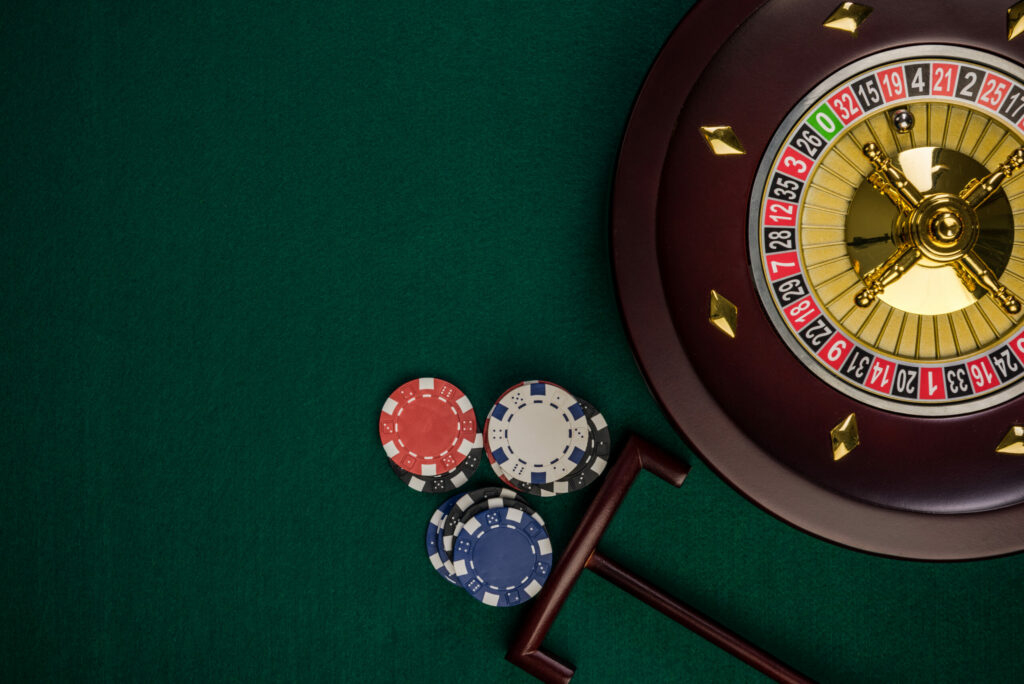
What Is The James Bond Roulette Strategy?
The James Bond roulette strategy is a set pattern for placing bets that aims to cover a large portion of the wheel. The idea is to stake the same overall amount each round, splitting it across different areas of the layout so more outcomes return a win. In its common form, it places most chips on high numbers (19–36), a smaller portion on a six-line covering 13–18, and a single chip on 0.
It is typically used on European roulette, which has a single zero. With fewer green pockets than the American wheel, the expected return is slightly better. Even so, the house edge still applies on every spin, returns are not guaranteed, and you can lose your entire stake despite the broad coverage.
Think of it as a flat-staking system with wide coverage rather than a way to beat the game. Variations adjust the unit size or the exact split, but the principle stays the same: stake the same total each spin and accept that some numbers (usually 1–12) are left uncovered.
It can add structure if you like a methodical approach, but outcomes remain random. Always consider table limits and your bankroll, set affordable limits, and never chase losses. So how are the chips arranged on the felt?
How Do You Place The 007 Bets On The Table?
The 007 spread uses three wagers before the spin. A common version totals £20 per round, although any stake can be used if the same proportions are kept. Treat it as a staking pattern rather than a way to improve your chances, and make sure your chosen amounts fit the table’s minimums and maximums.
Remember that roulette outcomes are random and no staking plan can influence the result. Keep your stakes consistent and only wager what you can afford to lose.
- £14 goes on high numbers (19 to 36). This is the backbone of the approach because it covers 18 outcomes and pays even money (1:1). It aims for frequent smaller returns, but leaves the low half of the layout largely uncovered.
- £5 is placed on the six-line covering 13 to 18. This targets a compact block in the middle of the board with a higher payout (5:1), adding a chance of a medium win when those six numbers land.
- £1 is placed straight up on zero. That single chip covers the green pocket (35:1 payout) that otherwise beats the other bets, but it does not remove the risk on the uncovered low numbers.
With those three positions set, most of the wheel is now in play and results tend to be small wins, occasional bigger returns, or a full loss when the uncovered low numbers (1 to 12) appear. For example, if a high number hits, the even-money win on £14 is typically offset by the £6 lost on the other two bets, resulting in a modest net gain; a hit on 13 to 18 can produce a medium return; and zero yields a larger but less frequent payout. If 1 to 12 lands, the whole £20 stake is lost.
This layout does not change the house edge or your likelihood of winning over time. On single-zero (European) wheels the house edge remains about 2.70% regardless of how you arrange your chips. Set a budget, stick to your limits, and stop if it stops being fun. 18+ only.
What Bet Sizes And Bankroll Do You Need?
The classic stake is £20 per spin, but the structure scales cleanly. In simple terms, around 70% of your total goes on 19–36, about 25% on the 13–18 line, and roughly 5% on zero. For example, a £2 version would be £1.40 on 19 to 36, 50p on the 13 to 18 line, and 10p on zero. The same ratios apply if you go higher, though table limits and chip denominations may require small adjustments.
Always check the table’s minimum and maximum bets, as well as the paytable for the specific wheel in use. If your preferred stake cannot be placed exactly due to chip sizes, round down rather than overextending. Remember that roulette outcomes are random and no staking pattern changes the house edge.
Having a budget that comfortably covers a run of losing spins helps the experience stay under control. A common approach is to set aside around ten base bets for a session, though some players choose more conservative buffers. Only play with funds you can afford to lose, and consider setting deposit, loss, and time limits before you start.
Take regular breaks and be prepared to stop if the session ceases to be enjoyable. Tools such as reality checks, time-outs, and self-exclusion are there to help you stay in control. With stakes sorted, the natural next question is what each part of the wager actually returns, which will depend on the standard roulette payouts shown in the game rules.
How The Payouts And Probabilities Work For This System
Because the spread focuses on broad coverage, your chance of receiving some return on any single spin is higher than if you backed one number only. This reflects coverage, not an advantage: the expected return remains governed by the game’s built‑in house edge, and outcomes are random and independent.
On a European wheel (single zero), the three bets pay as follows under standard roulette rules:
- High numbers (19 to 36): even money, 1:1
- Six-line (13 to 18): 5:1
- Zero straight up: 35:1
These are payout ratios on winning bets and, if successful, your original stake on that bet is also returned. The overall result for the round will depend on how you’ve allocated your stakes across the three selections.
In total, 25 of the 37 numbers are covered (about 67.6%). The trade‑off is that 1 to 12 remain uncovered, so any of those results means the entire stake for that round is lost if you are only using this three‑bet spread. When covered sections land, returns vary: the even‑money outcome is more frequent but lower, the six‑line pays more but is less frequent, and zero pays the highest but is rare (1 in 37, roughly 2.70%).
The house edge applies on every spin regardless of chip placement. On a European wheel this is about 2.70%; on an American double‑zero wheel it is higher (about 5.26%). Choosing a single‑zero game therefore reduces the house edge, but no staking pattern can remove it or guarantee profit. Past results do not influence future spins.
Only play with money you can afford to lose, set limits, and take breaks. This approach manages volatility but does not change the long‑term expected return.
European Versus American Roulette: What Changes?
European roulette uses a single zero, whereas American roulette has both a zero and a double zero. That extra green pocket widens the casino advantage, typically moving the house edge from about 2.70% on European wheels to around 5.26% on American wheels.
This difference slightly lowers the expected return on every stake you place and increases the likelihood that otherwise winning patterns are offset by the green pockets. Outcomes remain random, and no staking approach can remove the built‑in edge.
With the James Bond spread, fewer zeros mean a greater share of spins pay without being interrupted by green results. On a European wheel you therefore face fewer automatic losses than on an American wheel, but the house still maintains its advantage and the pattern only alters variance, not the long‑term odds.
If you can choose, the European layout generally offers a fairer platform for this style of staking. Some European tables also use rules such as la partage or en prison on even‑money bets, which may further reduce the edge on those specific wagers, though availability varies by table.
Always remember that roulette is a game of chance. No system guarantees profit, and you should only play with funds you can afford to lose, set limits, and stop if it stops being enjoyable.
Can The James Bond System Reduce The House Edge?
Not really. The system can alter how often you might see a return, but it does not change the underlying maths. A European wheel carries a house edge of about 2.7%, and an American wheel is higher because of the additional double zero. Those figures are built into the game and do not move simply because the chip pattern changes.
What this layout may do is increase hit frequency on many spins, giving the impression of steady progress. However, the uncovered numbers mean there will be spins where you lose the entire stake, and standard roulette payouts ensure that the long-run expectation remains negative. In practice, a few full-loss spins can offset multiple small wins, so volatility is managed rather than removed.
No staking plan or betting pattern can influence where the ball lands or overcome the house edge. Outcomes are random and independent, and past results do not predict future ones. If you choose to use this system, treat it as a way to structure your bets for entertainment, set strict limits, and never stake more than you can afford to lose.
Common Outcomes And Example Spins
Example: Winning Coverage With 20 Units
Using the classic 20‑unit spread on a European wheel with standard payouts, you place one set of bets per spin. As an illustration only, that 20‑unit total could be allocated across an even‑money bet on 19–36, a six‑line (double street) on 13–18, and a straight‑up on 0.
- If 19 to 36 lands, the even‑money bet pays 1:1 and the other two positions lose. On the example stakes, the net result would be a profit of 8 units for that spin.
- If 13 to 18 lands, the six‑line pays 5:1 and the other two bets lose. On the example stakes, that gives a net profit of 10 units.
- If zero lands, the straight‑up pays 35:1 and the others lose. On the example stakes, the net profit would be 16 units for that spin.
These figures are illustrative and depend on table rules and the exact stake split you use. Different tables may apply variations such as La Partage or different minimums, which can change outcomes.
This pattern can produce periods of steady‑feeling results, with smaller returns more common and larger jumps less frequent. However, all outcomes are subject to chance, and losses can occur at any time.
Roulette has a built‑in house edge, so no staking approach can overcome it in the long term. Past results do not influence future spins, and returns are never guaranteed.
Example: Losing Streak And Table Limits
If the ball lands on any number from 1 to 12, the full 20‑unit stake is lost for that spin. A run of lows can build losses faster than expected because multiple bets are placed each round, so the total at risk per spin is higher than a single wager.
Table limits also matter. Increasing stakes after setbacks can quickly collide with maximums, and higher stakes increase potential losses as well as potential returns. Because outcomes are random from spin to spin, chasing losses tends to magnify risk rather than manage it.
Set clear limits, only stake what you can afford to lose, and take breaks if play stops being enjoyable. Keeping bets measured and within table rules helps you stay in control.
Practical Tips For Placing Bets And Avoiding Common Mistakes
Careful chip placement reduces avoidable errors. On a busy table it is easy to sit slightly off a line or miss the six-line altogether, so a brief double-check before “no more bets” is called can prevent disputes.
Place chips squarely within the bet borders and keep stacks tidy so the dealer can read them at a glance. If the layout is crowded, politely ask the dealer for help in positioning a bet rather than reaching across the wheel or other players.
A clear budget set in advance keeps play within limits. Decide your total spend for the session, as well as a stop-loss and a sensible time limit, and stick to them.
Using the same base stake throughout a session supports a flat-staking approach and helps avoid creeping increases that strain a bankroll. Treat play as entertainment, not a way to make money, and never stake funds needed for essentials.
Past spins do not influence the next result; each spin is independent. Escalating bets purely in response to a loss is unlikely to improve long-term outcomes and can increase risk quickly.
Keep an eye on table minimums and maximums so your intended spread always fits within the limits. If the table conditions change, consider pausing rather than forcing a bet that does not match your plan.
If the session stops being enjoyable or you feel rushed, tired, or distracted, take a break. Use reality checks, time reminders, or a cool-off if available, and only return when you feel in control.
Gamble responsibly: do not chase losses, avoid playing under the influence, and never gamble if you are under 18. If you are concerned about your play, consider limit-setting tools or seeking support.
What Are The Main Advantages And Drawbacks Of This Approach?
The headline advantage is broad coverage with simple placement. With three bets, more than half the wheel is in play and many spins return a small win, which can make sessions feel steadier and more predictable in pace.
The pattern is easy to remember and gives structure to sessions without complex tracking. For some players this can reduce impulsive decisions by setting a clear routine for how each spin is staked. However, outcomes remain entirely random and past results do not influence future spins.
Drawbacks sit on the other side of that coin. The uncovered low numbers can still cause a full-round loss, and a few in succession can bite because each spin uses several units. This higher stake per spin means a bankroll can decline more quickly than with single, smaller wagers if results go against you.
Payouts on the most frequent outcomes are modest, so recovering from losses may take time, and sequences of unfavourable results are always possible. The house edge remains unchanged, and no staking pattern can overcome it or guarantee profit over any period.
In short, the James Bond strategy offers a neat, disciplined way to approach roulette and can make play feel more measured, rather than scattershot. It provides a themed framework for entertainment, not a method to beat the game.
If you choose to use it, set a clear budget and time limit in advance, avoid chasing losses, and take regular breaks. Only gamble what you can afford to lose, and stop when the fun stops; tools such as deposit limits or self-exclusion are there to help you keep control.
**The information provided in this blog is intended for educational purposes and should not be construed as betting advice or a guarantee of success. Always gamble responsibly.