
Is The Lottery Rigged? Truth Behind Lottery Fairness & Scams
Have you ever wondered if lottery draws are truly fair? Concerns about how the lottery works and worries about possible scams are common, especially with so much money involved.
Stories of scandals and fake prizes can make anyone cautious, even if most people trust the National Lottery. It is reasonable to want to know how draws are protected and what happens when rules are broken.
This guide explains how draws are carried out, the controls that prevent insider interference, real cases where fairness was challenged, and the most common scams to watch for.
Read on to learn more.
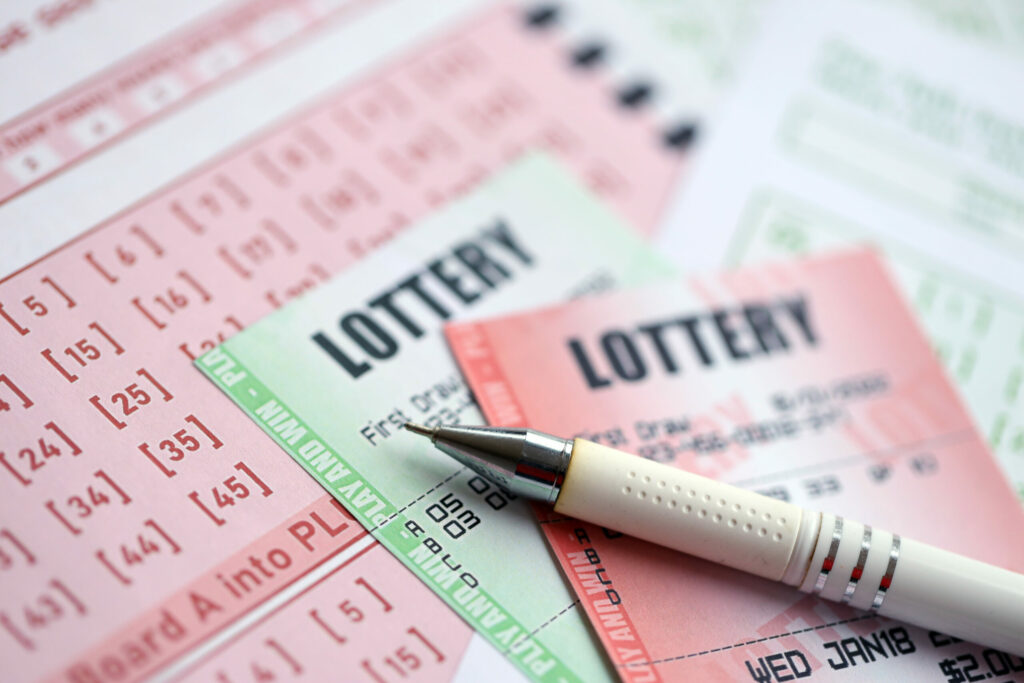
How Do National Lotteries Work?
National lotteries are organised draws where people purchase tickets for a chance to win cash prizes. The most well-known example in the UK is the National Lottery, which has been operating since 1994.
Players choose numbers or use a quick-pick option. Draws happen on set days, and the numbers are generated independently of player inputs. A portion of each ticket goes to prizes, some supports public projects, and the remainder covers operating costs and retailer commissions. These allocations are set out in rules and are subject to oversight so funds are handled transparently.
Participation is restricted to those above the legal age. Outcomes cannot be influenced by players, and winnings are never guaranteed; the lottery is designed around random selection.
That foundation sets up the obvious next question: how are the numbers actually chosen in the first place?
How Are Lottery Numbers Drawn?
Lottery numbers are selected using equipment designed to deliver random results, most often a mechanical draw machine.
Numbered balls are mixed using air jets or a rotating drum, with balls released one by one into a viewing chamber. Independent officials record each number drawn and confirm it matches the ball’s printed identifier.
To avoid predictable patterns, multiple machines and several sets of balls are maintained, tested, and rotated according to a schedule that is chosen in advance and verified on the day.
The draw takes place in a secure environment under controlled conditions. Before and after each draw, equipment is inspected, weighed, and logged; seals are checked; and performance tests confirm the kit is operating correctly. Access is tightly restricted and documented, and an independent adjudicator oversees the full procedure.
With the mechanics understood, the next concern is whether someone on the inside could interfere.
Can The Lottery Be Rigged By Insiders?
The idea that insiders could manipulate results is a common worry. Insiders might include staff, contractors, or anyone with privileged access to draw equipment or draw data.
Controls exist specifically to block that risk. Roles are separated, so no one person can set up, run, and verify a draw alone. Dual-control procedures, background checks, surveillance, and tamper-evident seals are standard.
Keys, seals, and passwords are split between authorised people, with time-stamped access logs and live oversight. Regular audits and unannounced checks further reduce the opportunity for interference.
While there have been isolated cases in other countries, they are rare and typically result in criminal prosecution, loss of licences, and tighter controls. The systems are designed so that attempts at manipulation leave trails that can be detected.
So has it ever happened in practice, and what changed when it did?
Has The Lottery Ever Been Rigged?
There have been a small number of cases globally where a lottery was compromised. In broad terms, they involved either the manipulation of random number software or tampering with draw equipment or materials.
These incidents were uncovered because something did not add up: unusual patterns in results, complaints from participants, or audit checks that flagged inconsistencies. Investigations led to prosecutions, the recovery or cancellation of illegitimate prizes, and a round of system upgrades.
Typical responses included stronger separation of duties, improved software security, better custody controls for physical equipment, and enhanced external auditing.
The important point is not that attempts never occur, but that mature lotteries build layers of defence that make interference difficult to execute and easier to spot.
If a concern is raised, what would actually count as proof?
What Evidence Would Prove Rigging?
Evidence must be clear and verifiable. Examples include proof that equipment was altered, access records showing unauthorised entry to secure areas, or physical irregularities such as weighted or mismarked balls.
Investigators look for corroboration across multiple sources: surveillance footage, access logs, seal numbers, maintenance records, and the chain of custody for machines and ball sets. Statistical checks can also highlight anomalies, but they prompt investigation rather than serve as proof on their own.
Clusters of related winners under suspicious circumstances, repeat wins tied to the same insider, or discrepancies between recorded procedures and what appears on camera would all trigger a deeper review. Independent auditors and regulators can compel data, verify processes, and order reruns if necessary.
Outside the draw room, though, the bigger day-to-day risk most people face is not rigging but scams.
Common Lottery Scams And How They Operate
Lottery scams try to mimic real lotteries to extract money or personal information. They often use copied branding, convincing emails, or social media messages to seem genuine. A simple rule helps: no legitimate lottery asks winners to pay fees to receive a prize.
Advance Fee And Prize Notification Scams
A person is told they have won a large prize and must pay a “processing fee” or “tax” before it can be released. Scammers may ask for bank details, ID documents, or small upfront payments to “unlock” the payout. Communications often look official, but the contact details and request for payment give them away.
Counterfeit Ticket And Resale Scams
Fraudsters sell fake tickets or offer access to tickets for overseas draws through unauthorised sites. These tickets cannot be validated, and prizes cannot be claimed. Some scams also promise “syndicate” entries with guaranteed returns, which do not exist. Genuine tickets are only issued by approved retailers or official websites.
Spotting these patterns early prevents a lot of harm and helps keep personal data safe.
How To Spot A Lottery Scam?
Scams can be convincing, but a few red flags make them easier to spot. Be cautious if a message arrives out of the blue or asks for sensitive information.
- You are told you have won a lottery you never entered.
- You are asked to pay a fee, share bank details, or provide copies of ID to “release” a prize.
- Messages come from generic email addresses, unfamiliar phone numbers, or social media profiles.
- There are spelling errors, urgent deadlines, or threats of losing the prize if you do not respond.
- The sender refuses to verify details through official channels or pressures you to keep the “win” secret.
If in doubt, contact the official lottery operator using details from its website, not those provided in the message. Never share financial information with third parties who claim to represent a lottery.
If scams operate outside the system, what protects the real draws themselves?
How Are UK Lottery Draws Audited And Regulated?
UK lottery draws are run under strict licence conditions. The UK Gambling Commission sets and enforces the rules, and licensed operators must meet high standards for fairness, security, and transparency.
Draws take place in secure locations, with independent officials present to verify each step. Before a draw, approved ball sets and machines are selected, measured, weighed, and tested. After the draw, results, equipment checks, and seal numbers are recorded and stored. All this creates an audit trail that can be reviewed by third-party auditors.
Operators must also protect player data, maintain clear complaints procedures, and cooperate with regulatory reviews. Regular inspections assess compliance, and any weaknesses found are addressed through remedial plans or penalties. These safeguards reduce risk and make any attempted interference more detectable.
Rules matter, but so do consequences when someone breaks them.
What Legal Consequences Exist For Lottery Fraud?
Lottery fraud is a criminal offence in the UK. Offences include fixing a draw, tampering with equipment, using false information to claim a prize, or selling counterfeit tickets.
Those found guilty can face fines, a criminal record, and imprisonment, depending on the offence. Any illicit winnings are forfeited, and regulators can impose bans and other sanctions. Investigations involve law enforcement and may run alongside regulatory action, with evidence drawn from audits, surveillance, and financial records.
If you choose to take part in lottery draws, set sensible limits and treat participation as optional spending. If gambling starts to affect your well-being or your finances, seek support early. Independent organisations such as GamCare and GambleAware offer free, confidential help for anyone who needs it.
**The information provided in this blog is intended for educational purposes and should not be construed as betting advice or a guarantee of success. Always gamble responsibly.