
Is Bingo Rigged? How Fairness Works in Online and Live Games
Many people have wondered if bingo really is a game of chance, or if there might be something going on behind the scenes. With both online and live bingo growing in popularity, it is only natural to ask how fair these games truly are.
This article explains how tickets and numbers are generated, how independent audits work, who regulates bingo in the UK, and what checks help keep games fair. It also outlines what to do if something feels off.
Understanding these points helps players make informed choices. You will also find clear guidance on where to get support if gambling starts to have a negative impact.
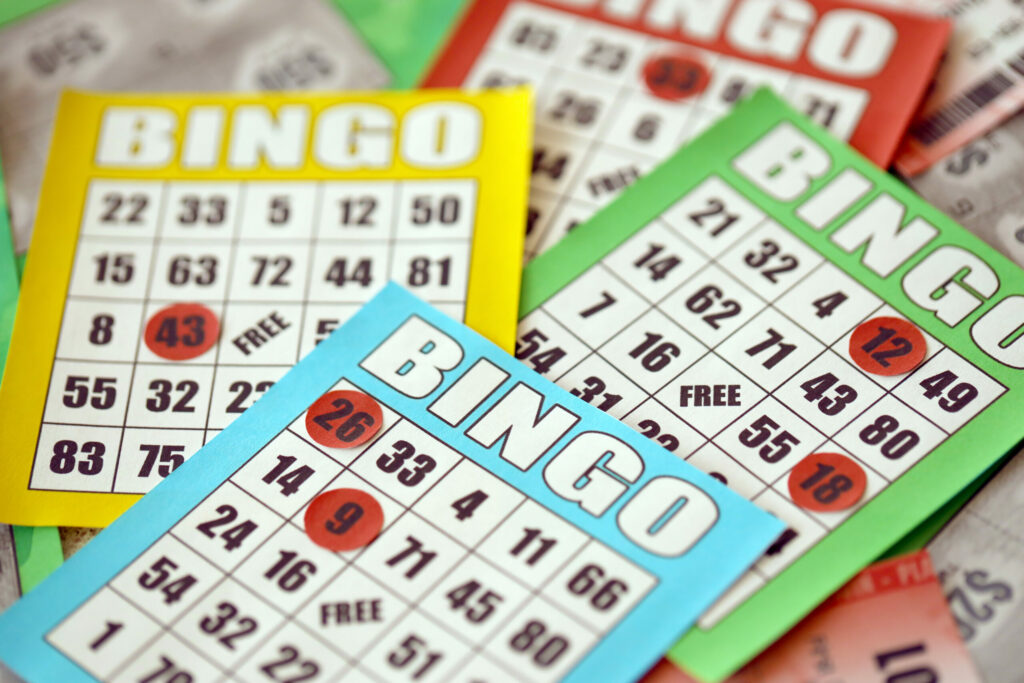
How Do Online Bingo Systems Generate Random Tickets?
Online bingo uses Random Number Generators, or RNGs, to create tickets and call numbers. An RNG is a computer programme that produces numbers with no fixed pattern. When a player buys a ticket, the system builds a unique card by selecting from the valid number range for that game. During play, the same technology selects each called number with the same probability as any other, so results cannot be predicted or altered mid-game.
Reputable operators have their RNGs reviewed to confirm the software behaves as intended and to check that outcomes meet accepted statistical standards. These reviews are carried out by independent testing labs, and operators typically publish a summary or certification.
Independent checks naturally lead to the next question: who performs them, and how often?
Bingo Audits And Third-Party Testing
Audits and independent testing exist to verify that bingo systems perform fairly and reliably. The testing companies are separate from the operator and examine the relevant parts of the platform, from number generation to game procedures. They look at whether the software produces outcomes that are demonstrably random, whether version control and change processes are robust, and whether the operator’s procedures are followed consistently.
As part of this, labs run statistical tests on large volumes of results, review documentation, and may inspect security controls that protect the systems. When a platform passes, the operator can display a certification or statement confirming the checks. Players can usually find this in the site footer or help pages.
While that covers software, what about the equipment used in live venues?
How Do Live Bingo Halls Keep Games Fair?
Live bingo halls use controlled processes so that every draw is conducted openly and consistently. The draw machine is positioned so players can see it in use, and the caller announces each number as it comes out. Staff are trained to follow set procedures, with supervisors present to oversee games and stop the draw if something needs checking. Access to the draw machine and balls is restricted during play, and venues often use security cameras to record the draw area.
To reduce human error, staff keep game records, follow timing and announcement standards, and verify winning claims against the called numbers. Routine spot checks help confirm that the setup remains in good order during a session.
These practices sit alongside regular equipment testing, which is worth a closer look.
How Are Bingo Balls And Draw Machines Tested?
Bingo balls and draw machines are inspected on a schedule to make sure nothing in their condition could bias a draw. Balls are checked for consistent weight, size, and surface condition, with any chipped or worn items replaced. The machine is examined for smooth operation, both empty and loaded, so airflow or mechanical movement does not favour certain balls. Cleaning is part of this routine, as residue can affect how balls move and settle.
Venues keep maintenance logs and, in many cases, have a second member of staff verify that checks were completed. These records can be reviewed during regulatory inspections and help show that games are being run correctly.
Alongside these venue standards, the UK has a single regulator responsible for the bigger picture.
Who Regulates Bingo In The UK?
Bingo in the UK is regulated by the Gambling Commission. Any business that wants to offer bingo must hold the appropriate licence and meet rules covering fairness, player protection, and security. The Commission assesses applicants, monitors licence holders, and takes action if standards are not met. This can include warnings, fines, suspensions, or revoking a licence.
Licensed operators are subject to compliance assessments, where their systems, controls, and records are reviewed. For players, a quick way to check is to look for the operator’s licence number and a link to the official register on the site or in a venue’s materials. That way, you know the business is accountable to UK law.
Knowing who regulates bingo makes it easier to judge whether a site or hall is playing by the rules. So how can players check a game for themselves?
How Can Players Check If An Online Bingo Game Is Fair?
On reputable bingo sites, key reassurances tend to be easy to find. The site should display a valid UK licence in the footer, with a link to the official register where the details can be verified. There is usually a page describing how fairness is managed, covering the use of an RNG and the role of independent testing. Operators often publish a current certificate or a statement confirming their platform has been evaluated.
Clear terms and conditions, accessible customer support, and transparent game rules also signal a well-run platform. Together, these elements paint a consistent picture of an operator that follows recognised standards.
Once those basics are in place, players often turn to the practical side: what are the chances of winning and how are prizes set?
Understanding Odds And Payouts In Bingo
In bingo, the likelihood of winning a prize in a single game is broadly linked to how many tickets you hold compared with the total in play. If more tickets are sold, the probability of any one ticket winning is lower, although prizes may be larger.
Prize structures vary. In 90-ball games, prizes are commonly paid for one line, two lines, and a full house, with the pot split between them. Some sessions use fixed prizes, while others base payouts on ticket sales after any stated deductions. Certain games add jackpots with extra conditions, such as completing a full house within a set number of calls, which makes them less frequent but clearly defined.
Before joining a game, it helps to read the rules shown on the site or at the venue. These outline how prizes are allocated, whether any operator deductions apply, and how tie situations are handled.
With the maths covered, another common question comes up: could staff steer the outcome?
Can Staff Or Callers Influence The Result?
Licensed bingo is set up to prevent staff or callers from altering outcomes. In halls, the caller announces numbers as they are drawn, under the eyes of supervisors and, often, cameras. Access to the draw machine and balls is controlled during games, and any irregularity should lead to the draw being paused and checked. Procedures exist to log issues and keep an audit trail.
Online, results are generated by systems rather than individuals. Staff cannot intervene in the number generation or change what appears on a player’s screen. Independent testing of the platform adds an extra layer of assurance that these controls are effective.
If something still seems wrong, there is a clear route to raise it.
What Should I Do If I Suspect A Bingo Game Is Rigged?
If a game does not feel fair, keep a record of what happened and when, including screenshots or ticket references if you have them. Share the details with the operator through its complaints process, which should explain how the issue will be reviewed and the expected timescales. If you are not satisfied with the outcome, you can take the case to an independent Alternative Dispute Resolution service named by the operator. Serious concerns about a licensed business can also be reported to the Gambling Commission.
If gambling starts to affect your well-being or finances, seek help early. Independent organisations such as GamCare and GambleAware offer free, confidential support and practical tools for managing your play. Understanding how fairness works, and knowing how to act if needed, helps you make informed decisions about when and where to play.
**The information provided in this blog is intended for educational purposes and should not be construed as betting advice or a guarantee of success. Always gamble responsibly.