
Lottery Winners: Has Anyone Won The Lottery Twice or Multiple Times?
Winning the lottery is something many people wonder about, but the idea of the same person winning twice, or even more, raises a lot of questions.
Some stories suggest that a few individuals have defied truly long odds and claimed more than one big prize. Others wonder how the process works if someone does win more than once, and what checks are in place to keep things fair.
This blog explores whether anyone has won multiple times, how often it happens, and why these rare wins capture so much attention. You will also find notable examples from around the world, UK cases, how claims are verified, the role of syndicates, past scams, and common myths. Throughout, the focus is on clear facts and safe play within UK law.
Read on to learn more.
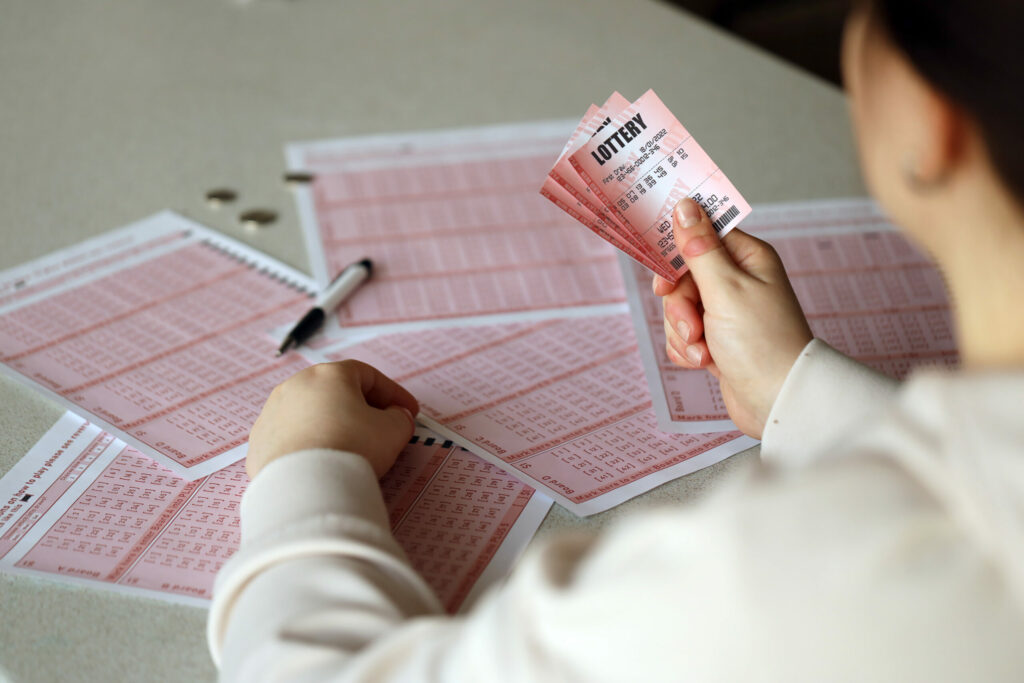
Can The Same Person Win The Lottery Twice Or Multiple Times?
It is possible for one person to win the lottery more than once, although the chances of this happening are extremely small. Each draw is independent, so a previous win does not affect the outcome of any future draw. Everyone’s ticket faces the same odds, whether it is a first try or a hundredth.
Lotteries use random number selection. There is no proven pattern, system, or sequence that leads to repeated wins. Some people enter regularly or buy entries across different games, which increases the number of tickets in play, but the odds for each individual ticket stay the same and remain low.
If you take part, keep it within a budget that suits you and treat prizes as a bonus rather than a plan.
How Unlikely Is It To Win Twice?
Winning a lottery jackpot even once is highly unlikely. For many major UK draws, the odds of winning the top prize with a single ticket are in the millions to one.
To win twice, a person would need to meet those odds a second time. The probabilities multiply. As a simple illustration, if the odds of winning once are 1 in 45 million, then two independent wins would be around 1 in more than two trillion.
These figures show that while multiple wins can happen, they are extraordinarily rare. No skill, system, or prediction method can reliably improve the odds because each draw is random and independently run.
Even so, a handful of cases have made headlines, which brings us to some of the most talked-about examples.
What Are The Most Notable Multiple Lottery Wins Worldwide?
Across different countries, there have been a few publicised cases where one person or family has won large prizes more than once.
In the United States, Joan Ginther became well known after claiming four separate lottery jackpots, with her biggest win reported at $10 million. There are also people in the US who have matched the full set of numbers on two separate occasions.
Spain’s Christmas lottery, El Gordo, often features stories of repeated wins. This is partly due to how tickets are sold in numbered shares, so the same number can be held by many people, and one individual might hold multiple shares.
Australia has recorded a small number of double winners, confirmed by official announcements. These cases are regularly cited because they show what is possible, even if it is vanishingly rare.
Closer to home, there have been occasional UK stories too.
Are There Documented Cases In The UK?
There are a few public examples of people in the UK winning significant lottery prizes more than once, usually years apart. Far more commonly, players win smaller amounts on different draws or games, such as matching a few numbers or picking up secondary prizes.
When substantial repeat wins occur, media coverage tends to focus on timing and the amounts involved. The process behind the scenes is routine. The operator validates each claim, confirms eligibility, and pays out according to the game’s rules. Winners can typically choose whether to go public or stay private, and prizes are paid tax free in the UK.
If you are curious about the practicalities, the next section explains how multiple prizes are checked and paid.
How Are Multiple Prizes Verified And Paid Out In The UK?
In the UK, all wins go through a strict verification process. Each winning ticket is checked using official systems, and for larger prizes, claimants provide identification and proof of purchase. If someone wins more than once, each ticket is treated as a separate claim, reviewed on its own merits.
Smaller prizes can usually be paid by approved retailers or credited to an online account, depending on where the ticket was bought. Larger amounts are claimed directly from the operator, which will verify identity, confirm the ticket details, and arrange payment, usually by bank transfer. For very large wins, a specialist team manages the process, including guidance on publicity and privacy. Anti-fraud and anti-money-laundering checks are built in throughout.
Claims must be made within the published deadline, and if the same person holds multiple winning tickets, each is processed individually to ensure accurate, transparent payment.
How Do Syndicates Affect Multiple Wins?
Syndicates are groups that pool money to buy tickets together, which means more entries for the group than one person might buy alone. Any prizes are shared among members according to an agreed split.
How Syndicates Work
Members contribute to a common pot, and the organiser purchases tickets on behalf of the group. A simple written agreement helps set out who is involved, how contributions work, what numbers are used, and how prizes are divided. This avoids confusion and ensures everyone understands the arrangement.
Syndicates can be informal groups of friends or colleagues, or they can be organised through platforms that specialise in group play.
What Happens If A Syndicate Wins Multiple Prizes
If a syndicate holds more than one winning ticket, whether from a single draw or across different draws, the total winnings are usually pooled and shared according to the agreement. For bigger prizes, all named members may need to provide identification, and a lead claimant will often coordinate the process with the operator.
Clear records of payments and participation make claims simpler and help protect every member’s share.
Where there is money and publicity, the topic of scams often follows, so it is worth knowing what to watch out for.
Are There Scams Or Fraud Cases Involving Multiple Wins?
Lotteries can attract scams, including messages claiming someone has won, sometimes quoting multiple prizes, in order to obtain personal or financial details. Genuine operators do not ask winners to pay fees to receive money, and they do not contact people who have not entered.
There have also been rare cases of attempted fraud, such as forged or stolen tickets and false claims. Robust checks are designed to spot and prevent this, and those who try to cheat face legal consequences.
If an unexpected message claims you have won, treat it with caution. Use official websites and trusted retailers, and contact the operator directly if you are unsure.
Common Myths About Winning The Lottery More Than Once
Several beliefs about lottery wins are not supported by fact. A common myth is that someone who has already won is due to win again, or that winning once affects the chance of a future draw. Each draw is independent, and past results do not influence what comes next.
Another myth is that favourite numbers or particular number patterns improve the chance of multiple wins. In reality, every valid combination is as likely as any other, and there is no proven system that guarantees repeated success.
It is also untrue that frequent players are certain to win more often. Buying more tickets only increases the number of entries, not the odds for each ticket. Spending more than you can afford does not change the underlying probabilities.
If you choose to take part, keep it occasional, set sensible limits, and never risk money needed for essentials. If gambling starts to affect your well-being or finances, seek support early. Independent organisations such as GamCare and GambleAware offer free, confidential help.
Multiple lottery wins do occur, but they are rare. Understanding how the games work, keeping play within your means, and viewing any prize as a welcome extra is the soundest approach.
**The information provided in this blog is intended for educational purposes and should not be construed as betting advice or a guarantee of success. Always gamble responsibly.