
Does Bingo Require Skill? Understanding Skill in Bingo Games
Bingo is often seen as a simple, social game, yet questions about whether skill plays any part come up again and again. Some players feel that certain choices or habits might help, while others see every outcome as entirely out of their hands.
Here, we look at what counts as skill in bingo, how different formats shape the experience, and which player decisions actually matter. We also touch on practice, online features, and common misconceptions so you can see the full picture.
As with any form of gambling, it should be approached sensibly and within a personal budget. Understanding how skill fits in is just one piece of making informed choices.
What Counts As Skill In Bingo?
Skill in bingo usually refers to the player’s actions during the game rather than the result itself. Because numbers are drawn at random, no one can predict or influence which numbers will appear.
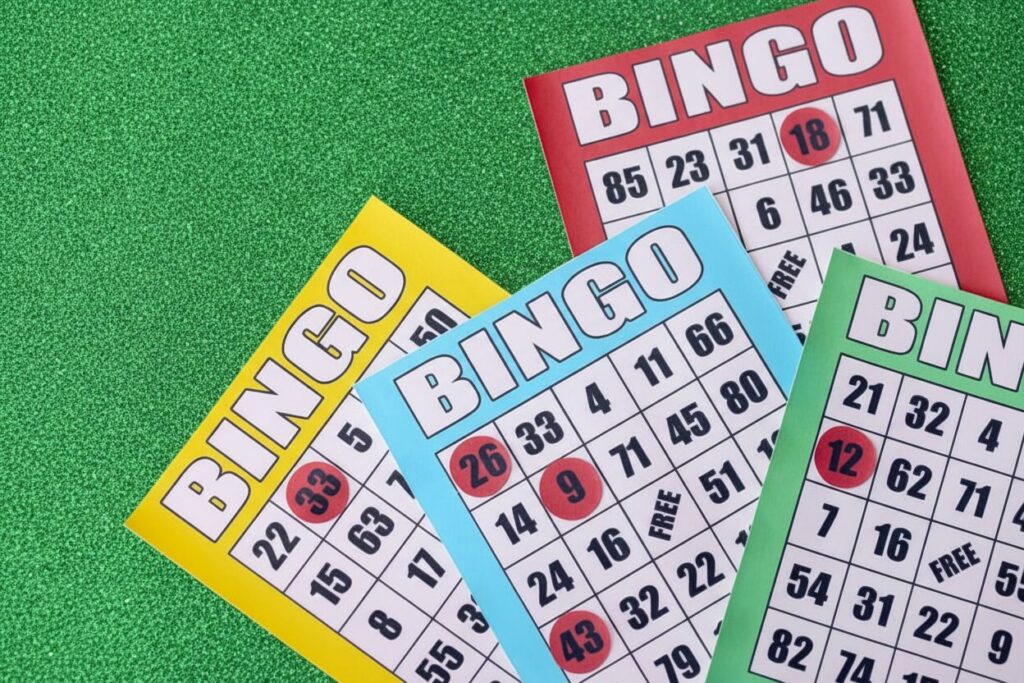
Card management is the clearest example of a player-led skill. Keeping track of multiple cards, marking called numbers accurately, and avoiding simple errors can prevent missed claims. In busier sessions, the ability to scan quickly and stay organised helps keep everything on track.
Focus also matters. Concentration reduces mistakes, especially in fast-paced games where numbers are called quickly.
Some players like to choose cards based on patterns or personal preferences. There is no evidence that this choice changes the likelihood of winning, but it may affect how comfortable someone feels while playing.
These are practical skills that support smoother play, not tools that change the draw itself. With that in mind, it helps to look at how different formats shape what a player actually does from one game to the next.
How Do Different Bingo Formats Affect Skill?
Bingo comes in several formats, such as 90-ball, 75-ball, and online variants with automatic marking. Each one places slightly different demands on the player.
In traditional halls, players are responsible for marking their own cards. If someone is managing several cards at once, speed and accuracy become useful. It is about staying neat, alert, and ready to claim when a line or full house appears.
Online bingo often includes auto-marking, so the software tracks every call and updates cards automatically. In these games, manual speed is less relevant, and most of the practical work is handled by the platform.
Pattern-based games ask players to complete particular shapes rather than lines. That changes what you watch for on the card, but not the fact that the numbers are drawn at random.
With formats in mind, it is natural to ask which choices a player can still make that might shape their experience.
Player Choices That Affect Outcomes
Most outcomes in bingo stem from random number draws. Even so, there are a few choices that influence a player’s position within a round.
The main one is how many cards to play. More cards mean more combinations in play, which can increase the chance that one of your cards completes a pattern or line in that specific game. The trade-off is cost and the attention needed to manage them, particularly in in-person sessions.
Some people like certain card layouts or patterns, but this is a matter of preference rather than an advantage.
In physical venues, marking quickly and checking carefully helps avoid missing a valid claim. Online, automatic marking removes this element, so attention shifts to budgeting and session length.
These choices sit alongside another factor players often wonder about: whether practice changes anything meaningful.
The Role Of Practice In Bingo
Practice can sharpen the practical side of bingo, especially in traditional settings. Someone who plays regularly may become more comfortable managing several cards, keeping an orderly system, and spotting completed lines without hesitation.
Over time, those habits can reduce avoidable errors and make the experience feel calmer and more controlled. What practice cannot do is influence which numbers are called. The draw remains random, so results do not improve in a predictable way just because someone has played more often.
Good routines around attention, breaks, and budgeting are part of this picture too. These habits help keep play measured and enjoyable, particularly over longer sessions.
That balance between player habits and automated tools is most obvious online.
Measurable Skills In Online Bingo
Online bingo reduces the impact of manual skills because auto-marking tracks calls and updates cards instantly. Speed, handwriting neatness, and rapid scanning matter far less.
Before a game begins, the clearest measurable decision is how many cards to buy. Owning more cards in a given round puts more entries in play, though it also increases spend. Beyond that, card selection rarely changes anything, because the software draws numbers independently of any layout or theme.
A more practical skill online is money management. Setting a clear budget, using deposit or time reminders, and keeping an eye on session length all help maintain control. They do not alter the draw, but they shape the experience.
For players who enjoy the hands-on element, traditional bingo still rewards tidy card management.
Card Management And Marking Speed
In-person games put the spotlight on organisation. Players juggling several cards benefit from a clear layout, consistent marking, and a quick glance pattern that lets them scan for lines without losing their place.
Marking speed can matter when numbers are called quickly and claims are time sensitive. Accuracy matters just as much; neat, visible marks make it easier to confirm a win on the spot. These practical touches help avoid missed calls and reduce stress during busy sessions.
Online, automatic marking takes care of this entirely, so the pace of your clicking or tapping is not a factor. In both settings, these skills support the process rather than changing the number sequence itself.
With the mechanics covered, it is also useful to consider how prize structures shape what players watch for during a round.
How Does Prize Structure Influence Skill Use?
Prize structures describe how wins are awarded, such as one line, two lines, full house, or specific patterns. They tell players what to aim for, not how to get there.
Because draws are random, skill does not drive progress toward these prizes. In games with several tiers available at once, players may keep track of which prizes have already been claimed and what remains. That awareness helps with timely claims, but it does not affect the next number called.
Some formats include jackpots or community prizes with particular conditions. While these may influence how many cards someone chooses to play, outcomes still arise from the draw rather than player technique.
These points often clash with common myths, so it is worth clearing those up directly.
Common Misconceptions About Skill In Bingo
A common misconception is that picking certain cards or using particular number methods can tilt the odds. In reality, bingo draws are random, so no selection technique has been shown to provide an advantage over others.
Another belief is that regular practice will deliver better results. Practice can improve comfort and reduce marking mistakes, yet it does not change the probability of a win because the calls are not predictable.
It is also sometimes claimed that players can learn a set of guaranteed techniques. Since outcomes depend on random draws, there is no reliable method that increases success across games.
If you choose to play, keep it within a budget that suits your circumstances and treat it as occasional entertainment. Take breaks, set limits that feel sensible, and step away if it stops being enjoyable. If gambling begins to affect your well-being or finances, seek support early. Independent organisations such as GamCare and GambleAware provide free, confidential help.
**The information provided in this blog is intended for educational purposes and should not be construed as betting advice or a guarantee of success. Always gamble responsibly.