
FOBT Roulette System: Do Trigger Numbers Really Work?
FOBT Roulette System: Do Trigger Numbers Really Work?
Roulette on Fixed Odds Betting Terminals has fascinated players up and down the country for years. With flashing lights and the spin of the wheel, it’s no wonder so many hope to spot patterns and pick out “trigger numbers” to boost their chances.
But does this idea hold up in practice? Is it possible to turn the tables with a reliable system, or is it just another gambling myth? If you’ve ever wondered whether those hot and cold numbers have any real power, you’re in the right place.
Stay with us as we dig into the truth behind FOBT roulette systems and whether chasing trigger numbers is really worth your time.
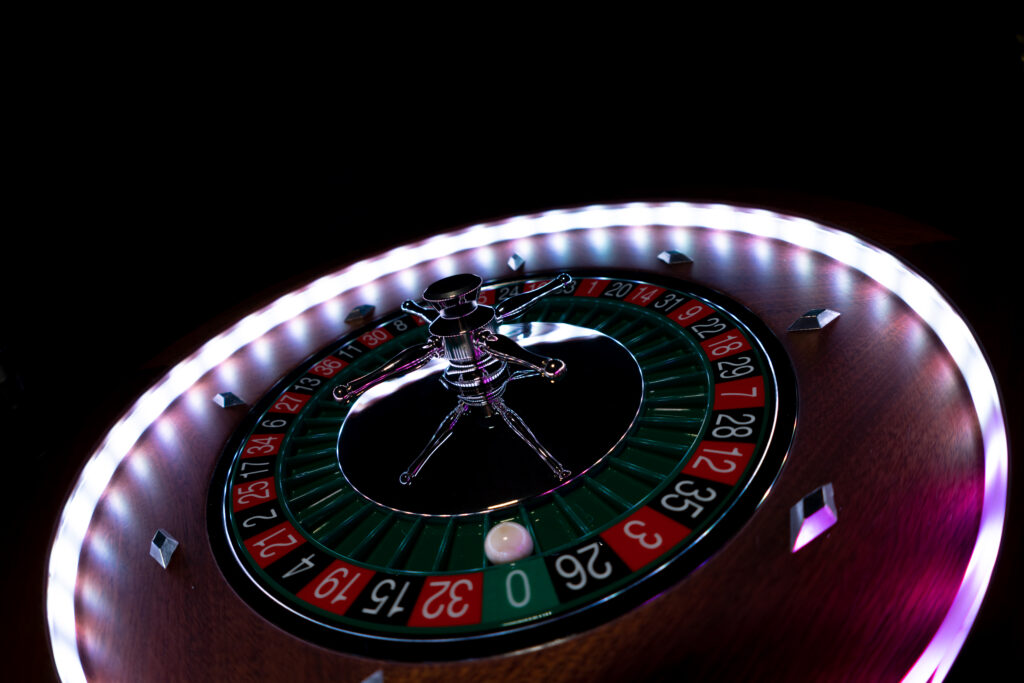
What Are Trigger Numbers In FOBT Roulette?
Trigger numbers in FOBT roulette are particular outcomes that some players treat as a personal cue to start betting. The idea is straightforward: after seeing a specific number or a short sequence appear, they take that as the “right time” to back a chosen number, section, or pattern. These cues are player-led concepts and are not a built‑in feature of the game.
In practice, many players watch the recent results displayed on the terminal and look for streaks, repeats, or clusters of neighbouring numbers on the wheel layout. For example, they might note the same dozen appearing several times, or the zero showing up, and use that as a signal to act. If their chosen trigger appears, they treat it as a green light to place a bet.
Crucially, these triggers are not linked to any change in the machine or the underlying game. FOBT roulette uses a random number generator, so each spin is independent, and past results do not influence what comes next. Seeing a pattern on the results board does not alter the probabilities of the following spin.
As such, triggers are player-made rules based on previous outcomes rather than proven patterns or mechanical shifts. They sit within systems that aim to time when to bet, yet there is no evidence they increase your chances of winning. The house edge remains the same regardless of timing, and no staking approach can remove that built‑in advantage.
If you choose to play, treat triggers purely as part of your personal routine or entertainment. Do not view them as a way to predict future results or to secure profit. Set sensible limits, avoid chasing losses, and only gamble what you can afford to lose.
Before we look at whether they deliver on what some supporters hope for, it helps to understand how those players say these triggers are meant to work—and to keep in mind that outcomes are random and cannot be forecast from recent spins.
How Do Trigger Numbers Claim To Work?
Supporters argue that when certain numbers or sequences appear, they indicate what could follow. For example, a player might wait for a particular number, a short colour sequence such as red–black–red, a cluster from one wheel sector, or a run of three results from one area of the wheel. Once that “trigger” arrives, betting begins, sometimes with stakes increased after losses in the hope that a win will land soon after. Others will add bets to neighbouring numbers or split their stake across a pattern they believe is “due.”
Some approaches are written out in charts and notebooks with waiting periods, target profits, and stop‑loss points. Others are as simple as “start betting after 17 appears,” or “begin after three reds.” The common thread is using recent outcomes to time the next move and adjust staking in response.
At its core, this thinking uses past results to guide the next bet. However, on FOBT roulette each spin is produced by a random number generator, and every outcome is independent. Previous spins do not influence future ones, so a trigger does not make any result more or less likely.
No staking method can remove the house edge or guarantee profit, and escalating stakes after losses can lead to rapid and significant losses. Set limits, never chase losses, and only gamble if it is affordable and for entertainment.
Betting systems are not a reliable way to make money. If you choose to play, do so responsibly and only if you are 18 or over.
Are Trigger Numbers Supported By Game Mechanics?
No. Trigger numbers are not supported by the mechanics of FOBT roulette.
Each spin is determined by a Random Number Generator, which produces independent outcomes with the same probabilities every time. This means previous results do not create patterns you can rely on, and what has just happened does not influence what happens next.
There are no hidden cues within the software. The design aims for fairness and unpredictability, so a number appearing more or less often than usual in the short term does not affect the next spin. Apparent streaks are a normal part of randomness, not signals you can use.
FOBT roulette also incorporates a built-in house edge, reflected in the game’s rules and long-term Return to Player (RTP). Over time, outcomes will vary within expected statistical ranges, but no sequence or “trigger” will improve the underlying odds on any given spin.
As such, strategies based on trigger numbers or recent results cannot increase your chances of winning and may lead to unrealistic expectations. There is no system that can predict or alter future outcomes in RNG roulette.
With that in mind, it follows to ask how this impacts your returns. In practice, returns depend on chance and the house edge, not on timing or patterns. Set a budget you can afford to lose, avoid chasing losses, and treat play as entertainment rather than a way to make money.
If you choose to play, do so responsibly, take regular breaks, and stop if it is no longer enjoyable.
Do Trigger Numbers Really Affect Payouts Or Odds?
No. Trigger numbers do not change payouts or odds, and they cannot improve your expected returns.
Each spin is independent. Whether you play in a venue or online, outcomes are governed by the wheel (or a certified random number generator) and the established rules. The price of each bet and its potential payout are set in advance and do not adjust because of previous results.
Seeing a streak, a pattern, or a cluster can be compelling, but it does not alter the underlying probabilities. The house edge is built into the game and remains the same regardless of timing, selection methods, or bet sequences.
Short-term variance can make a system appear effective for a period. This is normal volatility, not a change in odds. Over time, results tend to move back towards the expected averages, and no staking plan can remove the house advantage.
If you choose to test a theory, focus on data rather than impressions. Use sufficiently large samples and recognise that past spins do not predict future outcomes.
Any analysis should be for understanding how variance works, not as a promise of profit. Do not chase losses, set sensible limits, and only play with money you can afford to lose.
How To Test A Trigger Number On An FOBT
Collect And Record Spin Results
A practical test starts with building a reliable record of outcomes for your own interest and entertainment. Set clear time and spend limits before you begin, and avoid increasing stakes during the test. Gambling should always be affordable and never feel pressured.
Play a sufficient number of spins and note every result in a simple log. Record the spin number, the outcome, whether your chosen trigger appeared, and the stake used. Consistent, contemporaneous notes help prevent memory bias and give you something objective to review.
Keep the test conditions steady. Use the same game type and layout, and avoid changing bet sizes mid-stream. Remember that FOBT roulette outcomes are produced independently, and logging results does not influence future spins.
Analyse Frequency And Streaks
With a sizeable record, you can review how often the trigger appears and what tends to follow, while recognising that past results do not predict future outcomes. Treat any apparent runs as normal variance rather than a signal of future performance.
Check simple measures such as counts, percentages, and gaps between hits. Look at sequences on a timeline to see whether what looks like a “streak” is just clustering that you would expect to appear at random from time to time.
Be cautious about drawing conclusions from small samples. Independent spins can produce short-term patterns that feel persuasive, but these do not create an advantage and should not be used as a basis for staking up or chasing losses.
Compare Expected Versus Observed Hit Rates
Next, compare your observations with the normal odds in roulette. For example, a single number on a single-zero wheel has a 1 in 37 chance (about 2.70%) each spin, and even-money chances (such as red/black) are 18 in 37. Triggers cannot change these underlying probabilities.
If your approach suggests a number or section should appear more frequently after a trigger, only a clear, sustained difference over a very large number of spins would show up in the data. In practice, honest tests usually see short-term lifts fade, with results settling close to the expected rates and the house edge remaining in place.
This kind of review helps separate what feels convincing in the moment from what consistently appears in the numbers. It is not a way to guarantee returns, and no staking plan can overcome the built-in house edge. If the activity stops being enjoyable or affordable, stop and take a break.
What Sample Size Do You Need For Reliable Results?
To assess any roulette system, a large sample size is essential. Short runs can swing in either direction and create the impression that something powerful is at work. The larger the sample, the more those swings tend to cancel out. Outcomes are random and independent, and apparent “patterns” in brief tests are usually just normal variation.
Several hundred spins are a bare minimum, and thousands provide a clearer picture. For context, if you are tracking a single number on a single-zero wheel, you would expect it roughly once every 37 spins over the long term. Small samples can drift far from that average, but the gap usually narrows as the count grows. Even so, you should still expect streaks and dry spells, and a large sample will not predict what happens on the very next spin.
It is also important to remember that increasing the sample size does not change the house edge or guarantee any profit. Each spin is independent, and results can remain above or below the expected average for long stretches. Testing should be viewed as a way to understand tendencies, not as evidence that a system can overcome the game’s built‑in return to player.
If you do run tests, keep consistent records, avoid cherry‑picking results, and decide your parameters in advance. Past outcomes are not a reliable guide to future results, and any analysis should be cautious and transparent. Modern, regulated games are monitored for fairness, and exploitable wheel biases are rare.
In other words, meaningful conclusions need breadth of data, not a handful of examples. Treat any findings as informational only, never as a promise of success. Set limits, only gamble what you can afford to lose, and stop if it is no longer enjoyable.
How Casinos And Manufacturers Design FOBT Roulette Games
FOBT roulette is built to strict technical standards and operates under a regulated framework. The core software uses a Random Number Generator, which is assessed by independent test laboratories to verify that outcomes are unpredictable and not biased. These certifications are renewed at intervals, and routine checks help ensure the game continues to function as intended on approved hardware and software versions.
Payouts and probabilities follow the published rules of roulette, with the house edge built into those rules. There are no hidden features that alter the odds after particular sequences, and past results do not influence future spins. Timing your bet, pressing buttons in a certain way, or waiting for perceived patterns does not improve your chances.
Operators typically display key information such as rules and the theoretical Return to Player (RTP). RTP is a long‑term statistical measure and is not a guarantee of what any individual session will return. Short‑term results will vary, and it is possible to lose your stake quickly even when playing as intended.
Ultimately, FOBT roulette is designed to be fair and consistent, with outcomes determined by random processes rather than patterns you can exploit. If you choose to play, set limits, take breaks, and only stake what you can afford to lose. Tools such as session reminders, time‑outs and deposit limits are available to help you stay in control.
Common Misconceptions About Trigger Numbers
Many players believe trigger numbers can point to a coming win, so they increase stakes after spotting a favourite cue or a short streak. It can feel persuasive to see a pattern where none exists, but these are chance sequences that often stand out only in hindsight.
Another common idea is that past results influence future ones, so if a number has not appeared for a while, it is “due.” In reality, each spin is separate from the last and the underlying odds do not change. Whether outcomes are driven by physical randomness or a certified random number generator, the house edge remains the same on every spin.
It is also easy to think that meticulous records or complex rules create an advantage. While note‑taking can help you keep track of time and spend, it does not alter the probabilities. Systems and patterns should be viewed as budgeting or entertainment tools, not as methods to predict or improve results.
A few well‑timed wins can make any system look compelling. This can be selection bias at work, highlighting the hits and overlooking the misses. The trouble is that the same system is just as likely to miss on the next set of spins, because the outcomes do not follow a dependable pattern.
Long‑term return to player (RTP) figures are averages across many bets and do not guarantee results in a single session. Short runs, streaks, and reversals are normal in random games, and they do not signal a change in future probabilities.
With those myths cleared up, what does this mean for day‑to‑day play? Keep expectations realistic, avoid chasing losses, and consider keeping stakes consistent rather than reacting to short streaks. Set personal limits on time and money, take breaks, and only play with funds you can afford to lose.
Gambling should be a form of entertainment, not a way to make money. If play stops being fun or feels difficult to control, pause and seek support. No system can remove risk or guarantee a win, and safer play choices can help you stay in control.
Practical Takeaways For Players Considering Trigger Numbers
If you are tempted to use trigger numbers on FOBT roulette, keep expectations grounded. Results are produced by a random number generator, each spin is independent, and previous outcomes do not influence the next. No timing system can alter the odds or remove the built‑in house edge.
Treat any trigger‑based approach as a personal preference for how you place bets, not as a route to consistent profit. Perceived patterns can be coincidental rather than meaningful, and no staking plan or timing method can change the underlying probabilities or overcome the game rules in the long run.
Set a clear spend limit and a time limit before you begin, use safer‑gambling tools where available, and take regular breaks so decisions stay measured. Keep stakes affordable, avoid chasing losses, and remember that stated RTP is theoretical over long periods, not a guarantee for any session.
Only play with money you can afford to lose, and stop if it is no longer enjoyable. If you are concerned about your gambling, consider setting stricter limits, taking a cooling‑off period, or seeking independent advice and support.
**The information provided in this blog is intended for educational purposes and should not be construed as betting advice or a guarantee of success. Always gamble responsibly.