
Do Blackjack Dealers Reshuffle Deck After Every Hand? Card Shuffling Rules
Understanding how and when blackjack dealers shuffle the cards is useful for anyone who wants to know how the game really works. You might notice different methods in casinos, online games, or even between table types, and these choices can affect the pace and feel of play.
There are a few common techniques used to shuffle cards, some involving machines and others done by hand. Casino procedures around shuffling are designed to support fair dealing and keep the game moving.
This blog post answers common questions about reshuffling, the differences between manual and automatic shuffles, and what to expect with cut cards, shoe games, and live dealer blackjack. It also explains how often shuffling typically happens and why proper shuffling is part of regulated play.
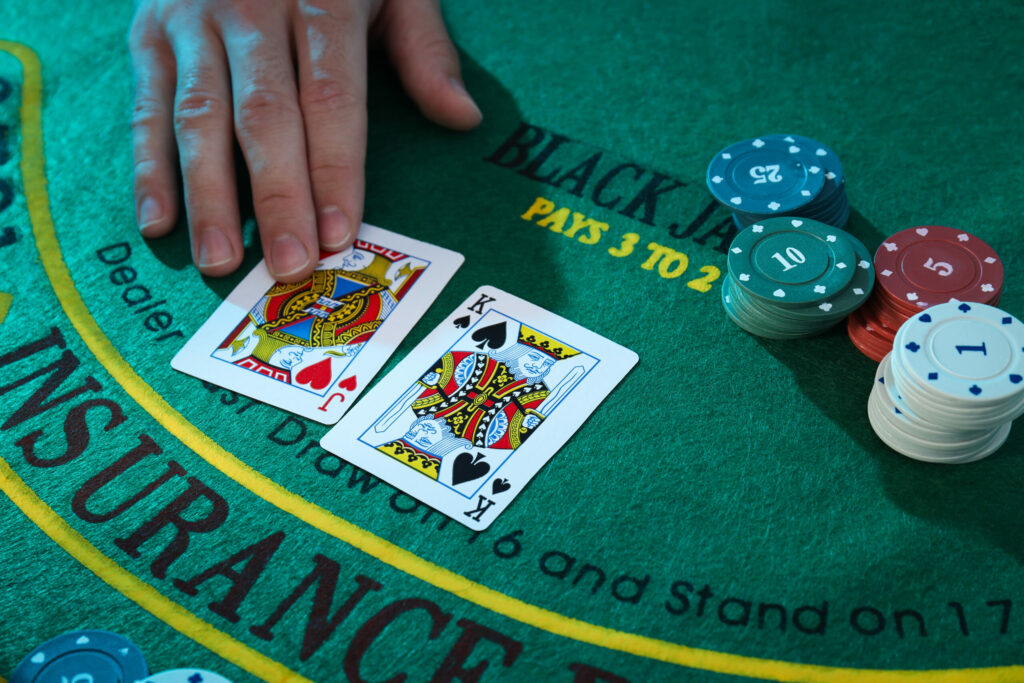
Do Dealers Reshuffle After Every Hand?
In most UK casinos, blackjack dealers do not reshuffle the deck after every single hand. Instead, they wait until a certain number of hands have been played or until a specific point in the deck, known as the cut card, is reached. This keeps the game flowing and follows house procedures.
Some games that use automatic or continuous shuffling machines mix cards much more often. With these, some or all cards may be returned to the pool after each hand, but this is not the case at every table.
The overall aim is to keep the deck suitably mixed so no predictable order forms. Wondering how the dealer knows when it is time to shuffle again? That is where the cut card and other procedures come in.
How Do Casinos Decide When To Shuffle?
Casinos follow set procedures to decide the right time to shuffle the cards. A common method involves a cut card, a brightly coloured plastic card placed at a point in the deck or shoe. When the cut card appears during play, the dealer finishes that round and then shuffles.
The position of the cut card varies by venue or table. Placing it deeper in the deck means more hands are played before the next shuffle, while placing it closer to the top leads to more frequent shuffles. Some casinos also shuffle after a set number of hands, when the number of players changes significantly, or after a defined time period.
Automatic or continuous shuffling machines follow their own routines. Depending on the model and setup, they may shuffle after each hand or at regular intervals.
These choices about timing are closely tied to the equipment in use, which leads to the next point.
Difference Between A Shoe Game And A Continuous Shuffling Machine
In blackjack, two common setups are shoe games and continuous shuffling machines (CSMs).
A shoe game uses a device that holds several decks. The dealer takes cards from the shoe one at a time to deal each round. Cards are shuffled only when a preset point is reached, so several hands are played before the next shuffle. The mixing itself may be done by hand or with a standard shuffler between rounds.
A continuous shuffling machine works differently. It constantly mixes cards that have been played, then returns them to the pool for the next round. In this format there is no fixed reshuffle point, because cards are fed back and remixed as play goes on.
Both approaches aim to maintain a well-mixed deck. That said, the pace of the game and how strategies are applied can feel different depending on which method is in use. Put simply, the setup affects how often you will see a shuffle.
How Often Are Decks Shuffled In Common Blackjack Games?
In typical casino games that use a shoe, shuffling happens once a set portion of the cards has been dealt. The cut card signals when to stop and reshuffle. With six or eight decks in the shoe, many tables reshuffle after roughly two thirds to three quarters of the cards have been used, though exact practice varies.
Games that use continuous shuffling machines are different. Cards are remixed continually and returned to play very frequently, which reduces downtime between rounds.
Single-deck or double-deck tables are reshuffled more often because there are fewer cards available. These games may reach the cut card quickly, so a new shuffle can occur after only a small number of rounds.
No one method is universally better; each format balances speed, game feel, and operational needs in a different way.
What Counts As A Proper Shuffle Under Casino Rules?
A proper shuffle mixes the cards thoroughly so no predictable order remains. This helps protect the integrity of the game.
Manual shuffling typically combines several techniques. Dealers riffle two halves of the deck together, strip or interleave small packets to break up any sequences, then riffle again before presenting the deck to be cut.
Automatic and continuous shufflers are built to randomise effectively as well. Regulated venues use equipment that is tested to meet fairness standards, and staff follow procedures designed to avoid patterns or clumps that might favour or disadvantage anyone at the table.
That mixing has another practical effect, which becomes clear when people ask about card counting.
Does Shuffling Prevent Card Counting Or Change The House Edge?
Frequent shuffling makes card counting harder because it reduces the amount of information available about which cards remain. CSMs go further by returning cards to the pool quickly, which limits the usefulness of tracking systems.
Shuffling itself does not usually change the house edge. The edge is shaped mainly by the table rules, the number of decks, and payout structures. Some venues also reserve the right to refuse play they believe relies on advantage techniques, and they set shuffling practices with that in mind.
Blackjack outcomes are never guaranteed, and players should only stake amounts they can afford to lose.
How Do Dealers Shuffle In Live Games?
Live blackjack games, whether in a land-based venue or an online live dealer studio, often rely on manual shuffling between stretches of play. The aim is the same in both settings: prepare a well-mixed pack that meets regulatory standards and keeps the game fair.
Manual Shuffling Steps Dealers Use
In practice, dealers use a small set of techniques to mix the pack. The most common are:
- Riffle shuffle: The dealer splits the deck into two halves and lightly interleaves the cards by letting the edges fall into one another, often repeating this more than once.
- Strip shuffle: Small groups of cards are taken from the top and repositioned to break up any remaining runs.
- Cutting the deck: A plastic cut card is slipped into the deck, typically by another staff member or a player, which separates the pack before the next deal.
- Final riffle and box: Dealers often complete another riffle and may assemble the deck in a simple box pattern to finish the mix.
These techniques are combined to remove patterns and prepare the cards for the next sequence of hands.
A simple tool supports this process and also tells everyone when a reshuffle is due.
What Is A Cut Card And Why Do Casinos Use One?
A cut card is a solid, brightly coloured piece of plastic used to mark a specific point in the shuffled cards. It is not part of the playing deck.
After shuffling, the cut card is inserted at a set spot, often toward the bottom of the deck. Its main purpose is twofold: to separate the pack before dealing begins and to signal when the dealer should stop dealing and reshuffle later in the shoe.
Using a cut card makes it harder to predict which cards might come next and reduces the chance of tracking cards near the end of a deck. It is a standard part of casino procedure to support fair dealing.
Automatic Shufflers Versus Manual Shuffling: What Players Should Know?
Both automatic shufflers and manual shuffling are widely used in blackjack, and each serves a purpose.
Automatic shufflers mix cards quickly and consistently. Some are used between rounds to prepare a fresh shoe, while continuous machines remix cards as play progresses. This keeps downtime to a minimum and produces a consistent pace.
Manual shuffling is handled by the dealer, sometimes with a basic shuffling device. It takes a little longer but gives a visible process that many players associate with traditional play, especially at live tables.
Either method, when used correctly, aims to prevent patterns and protect the game’s integrity. The same principles apply in online studios, which brings us to live dealer blackjack.
What To Expect From Reshuffling In Live Dealer Online Blackjack?
In live dealer online blackjack, reshuffling closely mirrors what happens in a physical casino. Dealers typically shuffle at set intervals or when the cut card appears, and many studios display or announce when a shuffle is about to happen. Some live games use automatic shufflers to keep the action moving, but the goal is unchanged: mix the cards thoroughly and avoid predictable sequences.
If you choose to play, set personal limits that suit your circumstances and only bet what you can afford to lose. Help is available from independent organisations such as GamCare and GambleAware, which offer free, confidential support.
**The information provided in this blog is intended for educational purposes and should not be construed as betting advice or a guarantee of success. Always gamble responsibly.