
Can You Bet on All the Horses? Understanding Full Field Betting
Many people wonder if it is possible to back every horse in a race. With a full field on the card, the idea of covering every runner can seem like a simple way to be on the winner.
This blog post explains full field betting in plain terms, including what it is, whether it is allowed, how much it may cost, and how payouts are worked out, with clear examples so the numbers make sense.
You will also find practical alternatives to betting on every runner and a short section that clears up common myths.
Read on to learn more.
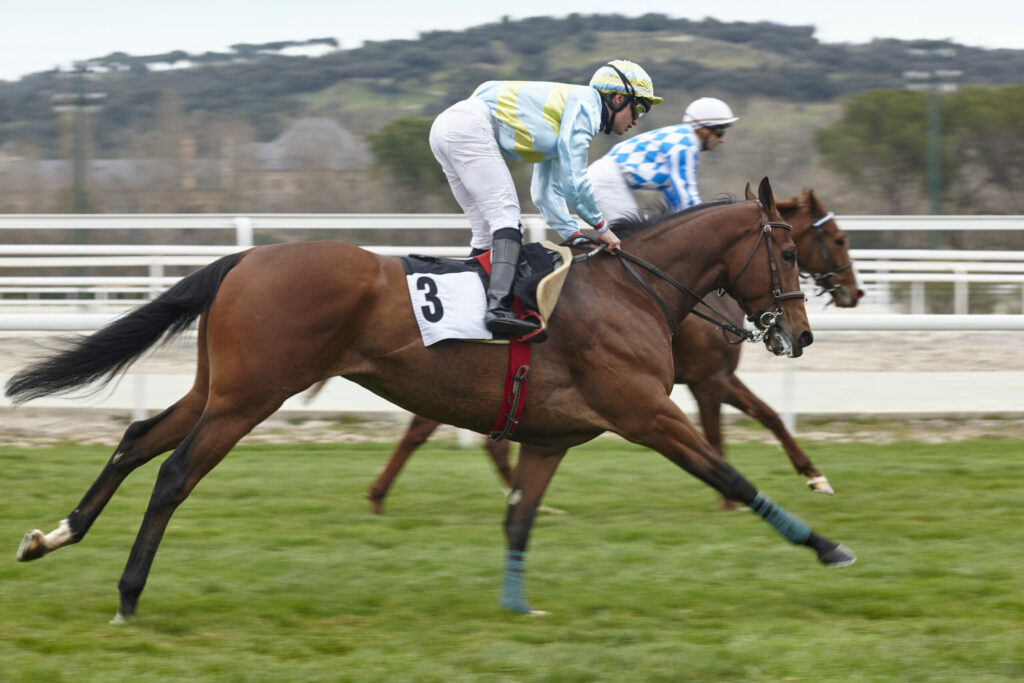
What Is Full Field Betting?
Full field betting in horse racing means placing a separate bet on every horse in a race. Each selection is backed individually, so it is not a special combined bet, just a series of standard wagers.
The idea is straightforward. If every runner has been backed, whichever horse wins, there is a bet on that outcome. In practice, most people who try this use a level stake on each horse so the total cost is easy to track.
Whether this makes sense depends on the odds. Because only one horse can win, the overall result usually hinges on whether the winner pays enough to cover the total outlay. Lower-priced winners often do not.
So, can you actually back them all in one go, and will a bookmaker allow it?
Can You Bet On All The Horses In A Race?
Yes. Someone can place separate win bets on every runner in a race. The bets are treated as individual wagers, not a single “full field” bet.
Most bookmakers allow this unless a specific race has particular restrictions. That said, covering every outcome can lead to a sizeable total stake, especially in big fields.
Backing all horses does not guarantee a profit. The final position depends on the odds of the winner compared with the total amount staked across the field. If a short-priced favourite wins, the payout is often less than the overall outlay.
With that in mind, the next question is how quickly the cost adds up.
How Much Does Full Field Betting Cost?
The cost depends on two things: how many runners are in the race and how much is staked on each.
If there are 10 runners and the stake is £1 win on each, the total is £10. In a 16-runner race, the same approach would cost £16. Choosing each way rather than win-only doubles the stake per horse, so £1 each way across 10 runners would be £20 in total.
It helps to decide a stake per runner first, then check the overall figure before confirming anything. That keeps the numbers clear and avoids surprises.
Cost is only half the picture. What about the return if one of those horses wins?
How Are Winnings Calculated For A Full Field Bet?
Returns are based on the odds of the winning horse and the stake placed on that specific runner. If there is a £1 win bet on every horse and the 8/1 shot wins, the return on that selection would be £9 (£8 winnings plus the £1 stake). To see the overall result, compare that £9 with the total staked across all runners.
If the winner is a shorter price, the return might not cover the outlay. That is why, with full field betting, the odds of the winner matter more than anything else.
Two additional points can affect the figures in real races. Late withdrawals may lead to Rule 4 deductions that reduce payouts, and dead heats can split returns according to the rules. Checking the race result and any applied deductions is always worthwhile.
Since every bookmaker has its own limits and terms, what do they allow in practice?
Do Bookmakers Allow Full Field Bets And What Limits Apply?
Most bookmakers will process separate bets on every runner in a race. Each selection is handled like any other single bet.
Limits still apply. These can include minimum and maximum stakes per selection, payout caps for a race, and general terms designed to manage liability or prevent suspicious activity. Bookmakers may also decline bets that breach their terms and conditions.
Before placing several bets in one event, it is sensible to look over the relevant limits and rules so there are no surprises at settlement.
If you decide to try it, the mechanics are simple enough.
How Do You Place A Full Field Bet With A Bookmaker?
Placing a full field bet simply means backing each horse individually. Online, all runners are listed on the race page and each selection can be added to the bet slip as a win or each way. The slip totals the stake so the overall cost is visible before confirming.
In a shop, each runner is written on a separate slip with the chosen stake. The cashier processes them as individual bets and issues the receipts. In both cases, checking the combined outlay before confirming keeps everything within plan.
The numbers tend to tell the story best, so here are two short illustrations.
Examples Of Full Field Bets With Stake And Return Calculations
To show how the maths works, these examples highlight the total cost and what might be returned. They are simplified to keep the focus on the core idea.
Example 1: 8-Horse Race
A £1 win bet on each of 8 runners costs £8 in total.
If the winner returns 10/1, the return on that selection is £11 (£10 winnings plus £1 stake). Compared with the £8 outlay, that is a £3 profit.
If the winner returns 2/1, the return on that selection is £3 (£2 winnings plus £1 stake). Against the £8 outlay, that is a £5 loss.
Example 2: Each Way Bets
A £1 each way bet is £2 per horse. Backing all 10 runners each way costs £20 in total.
Each way returns depend on both the win and the place parts, and on the place terms for the race. For example, if the place terms are 1/5 the odds for three places, the winning horse would pay on both win and place parts, and the second and third would return on the place part only. The exact figures depend on the starting prices of those placed horses and the stated place terms.
These examples show why the odds of the winner and the size of the field have such a big impact on the outcome.
Alternatives To Betting On Every Horse
There are ways to cover more than one runner without backing the whole field.
Combination bets like forecasts and tricasts focus on the first two or three home, sometimes in a set order and sometimes in any order, depending on the bet type. They reduce the number of bets while still aiming at key finishing positions.
Dutching spreads a total stake across several selected horses so that the potential return is more even if any of those win. The trade-off is that fewer runners are covered compared to a full field.
Another approach is to back only a handful of horses that seem the most appealing on form or price, which can keep the overall spend lower than staking on every runner. Some bettors prefer to place multiple bets across different races, such as doubles or trebles, to diversify rather than concentrate everything on one field.
Before we wrap up, it helps to tackle a few myths that often surround this topic.
Common Misconceptions About Full Field Betting
A frequent misconception is that backing every horse guarantees a profit. It does not. The outcome depends on the odds of the winner compared with the total outlay, and in many races a short-priced winner will leave an overall loss.
Another misunderstanding is that full field betting is a special product. In reality, it is simply a set of separate single bets placed on each runner.
Some believe bookmakers routinely block this approach. In practice, most treat each selection as a normal bet, subject to their limits and terms.
If you choose to place any bets, do so within a clear budget and avoid staking more than you can afford to lose. If gambling starts to affect your well-being or your finances, seek support early. Independent organisations such as GamCare and GambleAware provide free, confidential help.
Understanding what full field betting involves, how the costs stack up, and which alternatives exist makes it easier to decide if it suits your approach.
**The information provided in this blog is intended for educational purposes and should not be construed as betting advice or a guarantee of success. Always gamble responsibly.