
Blackjack Switch vs Classic Blackjack: Rules, Odds & Key Differences
Blackjack Switch vs Classic Blackjack: Rules, Odds & Key Differences
Choosing between different blackjack games can be tricky, especially when they sound so similar. Yet Blackjack Switch and Classic Blackjack are more different than you might expect, and those differences can have a real impact on how each round plays out and the returns you might see.
Not sure which version suits your style, or puzzled by the extra rules you have heard about? You are not alone. Each game introduces a distinct twist that changes how decisions and payouts work.
In this guide, we break down how both versions play, how the rules shape your odds, and the key differences to understand before you sit down at a table, so you can make a confident, informed choice.
What Is Blackjack Switch?
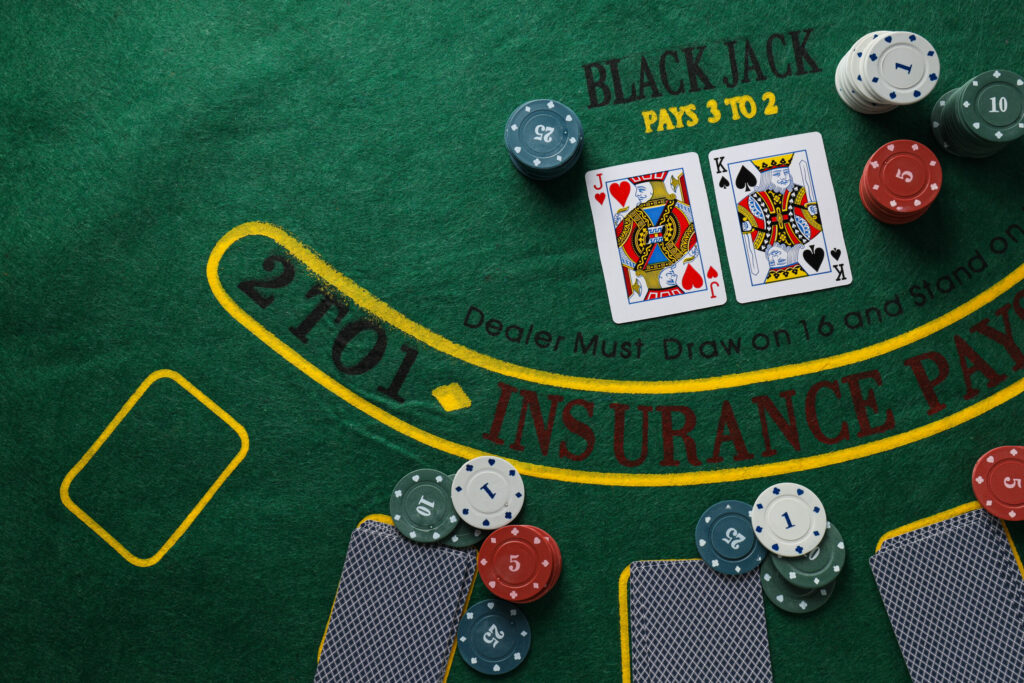
Blackjack Switch is a modern take on the traditional game, built around one standout feature that offers players more decisions while keeping outcomes dependent on chance.
You play two hands at the same time instead of one. After the initial deal, you may choose to swap the top card between your two hands. This optional move can sometimes improve one total at the expense of the other, and it must follow the table’s specific rules. The rest of the hand then plays out in the usual way, with standard options such as hit, stand and, where permitted, double or split.
The core aim stays the same: get closer to 21 than the dealer without going over. To balance the extra flexibility, the game includes counter-rules, such as a dealer 22 resulting in a push rather than a loss. In many versions, a natural blackjack may also pay at a reduced rate compared with classic tables. Always check the house rules and paytable, as variations exist and they affect the return to player.
Switch can feel more engaging if you like making tactical choices, but no strategy can remove the house edge or guarantee a win. Consider starting with lower stakes while you learn the format, set limits, and play for entertainment. Only gamble if you are 18+ and stop if it is no longer fun.
How Does Blackjack Switch Differ From Classic Blackjack?
The headline contrast is the switch itself. In Blackjack Switch, you always play two hands at once and may swap the top card of one hand with the top card of the other to improve your positions. In Classic Blackjack, you play a single hand and must work with what you are dealt, without any option to exchange cards between hands.
In Switch, both hands usually require equal wagers, and the option to swap applies only to the initial two-card hands before you take any further actions. Once you hit, stand, split, or double, the chance to switch is typically over, so timing and a clear view of both hands are important.
Outcomes differ too. In Blackjack Switch, a dealer total of 22 pushes all active bets, meaning your stake is returned rather than paid out. This rule can reduce volatility but also trims potential returns on hands that would otherwise win. In Classic Blackjack, any dealer bust (including 22) is a loss for the dealer and a win for the player.
Payouts are another separator. A natural blackjack pays even money in Switch, reflecting the extra flexibility the switching option provides. In the classic game, a natural blackjack commonly pays 3:2, although some tables use alternative paytables. Always check the table rules and paytable before you play so you know what to expect.
Together, these changes affect how you approach each round. Switching can alter basic decisions, influence when you double or split, and change how you evaluate risk across both hands. However, outcomes remain subject to chance, and no strategy can guarantee a profit.
The next section looks at the specific rules that shape play in more detail. House rules can vary by venue, so review the posted rules, limits, and any optional side bets first, and only play with funds you can afford to lose.
Rules That Change Play In Blackjack Switch
A few table rules define how Blackjack Switch feels to play. Here are the big ones to know and why they matter.
Terms and procedures can differ by venue and software, so always review the table rules and payouts before you stake any money. Understanding these points helps you make informed decisions without relying on assumptions from classic blackjack.
Switching Cards Between Two Hands
After the initial deal, you may swap the top card of one hand with the top card of the other. This can turn, for example, a pair of middling totals into a strong 20 and an 11 that can be doubled. The switch is optional, so the value lies in recognising when a swap improves your overall position rather than simply fixing one hand and weakening the other.
Not every situation benefits from a switch, and the house edge still applies. If you are unsure, it can be sensible to leave the hands as dealt. Take a moment before deciding, and avoid rushing—there is no guaranteed outcome from switching.
Dealer 22 Push Rule
If the dealer finishes on 22, all unresolved player hands push. You keep your stake but receive no winnings, even with a strong total like 20. This rule is the main counterweight to the benefit of switching and is a key reason the game’s returns differ from the classic version.
This can feel counterintuitive, so plan around it. Strong totals remain valuable, but you should expect more pushes in marginal spots. Check the table help or placard so you know exactly when the push applies and to which hands.
Blackjack Payouts And Insurance Differences
A natural blackjack pays 1:1 in Switch, not the 3:2 you usually see in classic games. This lower payout is a core part of the game’s balancing and affects the return to player compared with standard formats.
Insurance is often available and typically pays 2:1 if the dealer has blackjack, but the exact terms can vary, so it is worth checking the table information before you begin. As a general note, insurance is a separate side bet and is usually not favourable to the player over time.
Doubling, Splitting And Surrender Variations
Some Switch tables restrict when you can double, for instance only on certain totals, and may limit resplitting pairs. The availability of doubling after a split can also change, which influences basic decision-making.
Surrender, where offered, lets you fold a weak hand for half your stake back. These variations are not the same everywhere, so a quick scan of the rules helps you avoid surprises. Set a budget, play within your means, and remember that outcomes are not guaranteed even with optimal decisions.
How Do The Odds And House Edge Compare?
Classic Blackjack typically offers a lower theoretical house edge, often around 0.5% when using optimal basic strategy and playing under favourable rules such as blackjack paying 3:2, the dealer standing on soft 17, and liberal doubling options. If any of those conditions are tightened, the edge can rise, sometimes edging closer to 1% or more.
House edge figures are long‑term mathematical expectations calculated over a very large number of rounds. They are not a prediction of what you will experience in a single session, but they do help you compare rulesets on a like‑for‑like basis when deciding where and how to play.
Blackjack Switch introduces extra decisions, yet the “dealer 22 push” rule and the 1:1 payout for a natural blackjack increase the house advantage. Depending on the exact table terms (for example, number of decks, whether the dealer hits soft 17, and switch restrictions), you will often see a house edge in the region of about 0.6% to 1% or slightly higher. Sound strategy can help you keep nearer the lower end, but it cannot remove the built‑in advantage.
Neither figure guarantees results in the short term. Variance means outcomes can fluctuate widely from session to session, so choose the ruleset that suits your preferences and bankroll tolerance. Set a budget, avoid chasing losses, and only stake what you can afford to lose.
If there is one rule that moves the numbers most, it is the payout for a natural blackjack. A 3:2 payoff meaningfully lowers the house edge, while 6:5 or 1:1 payouts raise it, sometimes by a significant margin. Other rules, such as the dealer hitting soft 17 or the number of decks, also matter, but blackjack payout is usually the single biggest driver.
How Much Does The Dealer 22 Push Rule Affect Returns?
More than you might think. In a classic game, a dealer bust means player hands still in play are paid. In Switch, when the dealer hits 22, many of those same hands push instead. Over many rounds, removing those wins has a noticeable effect on long‑term results and makes your outcomes more variable from session to session.
For example, a total of 20 that would usually win against a dealer bust will only push if the dealer makes 22. That shift converts a number of otherwise winning results into no-result outcomes, reducing the average payout without changing how frequently you make strong totals.
The switching option can strengthen your hands, but the 22 push gives some of that edge back to the house. That trade‑off is central to why Switch feels active and engaging while still holding a slightly higher house edge than standard tables, even when using sound strategy designed for Switch rather than classic blackjack.
Table rules can vary, so always check the displayed rules and RTP before you play. Outcomes are determined by chance and no strategy can guarantee a profit. Set limits, only stake what you can afford to lose, and avoid chasing losses.
What Betting And Payout Changes Should Players Expect?
In Blackjack Switch, you place two equal bets before the deal, one per hand. Your opening stake is therefore double what you would put down for a single classic hand, and both wagers are active for the round.
Each hand is then played in turn, and you may be able to switch the top cards of your two hands according to the table rules. The switch decision does not change your total stake, but table minimums and maximums usually apply per hand, so your total exposure is effectively twice the posted limit. Manage your bankroll accordingly and only stake what you can afford to lose.
Payouts reflect the variant’s adjustments. A natural blackjack pays 1:1, standard wins pay 1:1, and a dealer 22 returns your stake as a push rather than a loss. These outcomes can differ from classic blackjack, so it is sensible to review the paytable and house rules shown on screen before you begin.
Insurance may be offered; if available, it is an optional side bet with its own terms, and acceptance does not guarantee a return. Other optional side bets, where present, follow separate paytables and may carry a higher house edge. Results are determined by chance, and no strategy can assure a profit.
Always check the specific table limits, rules, and return information provided by the operator. Gambling is for adults aged 18+ in the UK—set limits, take breaks, and play responsibly.
Common Rule Variations Across UK Tables
Not all UK tables run with identical settings. You may see differences in the number of decks used, whether the dealer hits or stands on soft 17, and if the game follows a no‑hole‑card procedure. Payouts for a natural blackjack can also vary, so check the layout to confirm the rate offered before you start.
Limits on when you can double or split can differ by venue, including whether doubling after a split is permitted and how many times pairs can be resplit. Some tables include late surrender, while others leave it out entirely. These rule details affect the house edge and your optimal decisions, so reviewing the placard or asking the dealer for clarification is sensible.
Side bets may appear on certain tables but not others, and their minimums and maximums can be separate from the main game. They are always optional and typically carry a higher house edge than the core hand, so consider whether they fit your approach and budget.
Blackjack Switch tables, in particular, may tweak details such as whether doubling after a split is allowed, how switching interacts with splits, or the specifics of insurance and even‑money. Small changes like these influence strategy at the margins, so taking a moment to read the table rules is time well spent.
Set personal limits, take regular breaks, and only play with money you can afford to lose. Never chase losses, and remember the house always has an edge. You must be 18+ to gamble in the UK; if gambling stops being fun, consider seeking support.
Quick Side-By-Side Rules And Odds Summary
Here is a concise comparison of the essentials so you can see the differences at a glance. Figures are indicative and can vary by table rules, number of decks, and the operator’s procedures, so always review the rules on the specific game you join.
Blackjack Switch:
- Play two hands at once and may switch the top cards between them to improve your outcomes, subject to the table rules.
- Blackjack typically pays even money (1:1), which is different from many classic tables.
- If the dealer makes 22, hands that would usually win result in a push rather than a loss or win.
- House edge is often quoted around 0.6% to 1%, but this can vary by rules and your decisions; check the posted RTP for the table.
- You must place two equal bets per round; manage your stake accordingly.
Classic Blackjack:
- Play a single hand with no switching of cards between hands.
- Blackjack commonly pays 3:2, although some tables may offer different payouts; confirm before playing.
- If the dealer busts on 22 or more, the player’s qualifying hands win.
- House edge is often cited around 0.5% when using basic strategy, but the exact figure depends on the table rules and deck configuration.
- You place one bet per round; adjust stakes in line with your budget.
Both games aim to beat the dealer without going over 21, but their distinct rules create different experiences and risk profiles. Choose the version that suits how you prefer to make decisions at the table, and always check the paytable and full rules before you play.
There are no guaranteed outcomes. Only gamble if you are 18+ and never stake more than you can afford to lose. Set limits and play responsibly.
**The information provided in this blog is intended for educational purposes and should not be construed as betting advice or a guarantee of success. Always gamble responsibly.