
Bingo Calls List: Funny, Rude & Modern Bingo Slang Terms
Bingo is a popular game with a long history, shaped by traditions that have helped it remain widely played over time. One of its most distinctive features is the use of recognisable calls and phrases linked to the numbers drawn.
This article looks at the variety of bingo calls heard today. Early sections refer to these calls in general terms, with clearer explanations appearing later. It also covers how many numbers appear in bingo, how these phrases developed, and the role they play in the social side of the game.
Whether you are a seasoned player or new to the game, learning about bingo calls may add depth to your understanding of the game and its wider culture.
How Many Numbers Are There In Bingo?
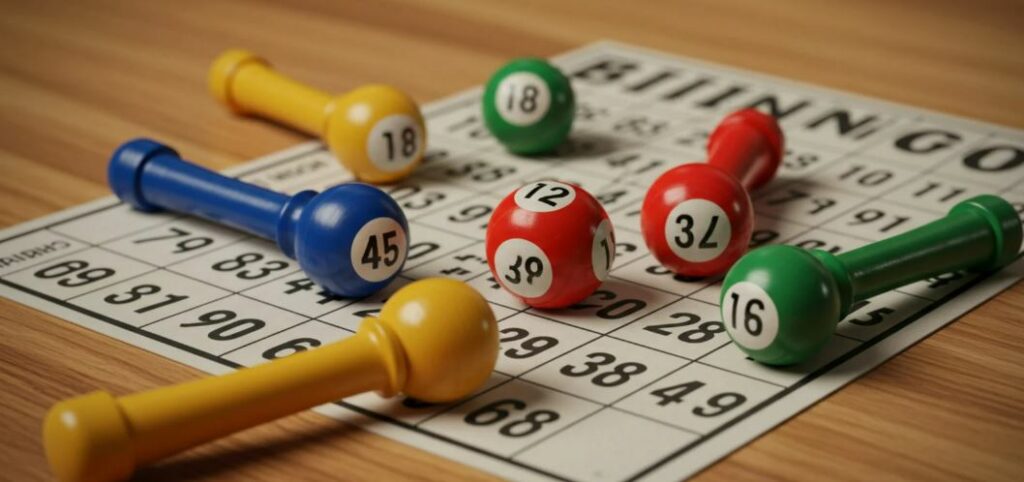
Bingo is a game based entirely on chance, and if you choose to play, the aim is to match numbers on your card with those announced during a session. In the UK, the most familiar version is 90-ball bingo. As the name suggests, this format uses a full set of 90 numbers, running from 1 through to 90. These numbers are drawn at random, traditionally from a mechanical blower or cage, while online games rely on digital random number generators.
UK bingo cards follow a familiar layout. Each card has three rows and nine columns, with numbers appearing in five spaces per row and the remaining spaces left blank. This means every card shows 15 numbers in total. The numbers are spread across specific ranges, which helps keep play unpredictable and fair for everyone involved.
The aim is to complete a set pattern on the card. Common patterns include one horizontal line, two lines, or a full house, which involves marking off all 15 numbers. After completing the required pattern, a player calls out “bingo” to alert the caller and claim their prize.
Although 90-ball bingo dominates in the UK, other versions exist. A well-known example is 75-ball bingo, which is more common in North America and uses a different card layout and prize patterns. Some venues and online platforms also offer themed games or alternative prize formats, though the central idea of randomly drawn numbers remains the same.
If you choose to play bingo or place bets related to it, treating the activity as entertainment and staying mindful of responsible gambling guidance is important.
Bingo Calling Numbers List
Bingo calls are informal phrases linked to specific numbers. At first, they may seem like simple nicknames, though many have roots in British humour, rhyme, or visual wordplay. These calls developed mainly during the twentieth century, particularly in busy halls, as clear and memorable phrases helped players recognise numbers as they were announced.
There is no single official list. Calls may differ by region, by venue, or by the style of the caller. Even so, a core group of phrases has become widely recognised across the UK. The sections below explore these calls in more detail, starting with traditional examples.
Classic Bingo Calls
Classic bingo calls are long-established phrases that have been used for generations. They are closely tied to traditional British bingo culture and tend to be recognised by players of many age groups:
- Two Little Ducks (22): This phrase comes from the visual similarity between the number 22 and a pair of ducks sitting side by side.
- Legs Eleven (11): A reference to the shape of the number resembling a pair of legs.
- Kelly’s Eye (1): A famous term for number one, linked to older British slang and popular culture, though its exact origin remains debated.
These calls remain among the most familiar and are commonly heard in both bingo halls and online games, particularly in sessions that lean towards tradition.
Funny Bingo Calls
Humour has always played a part in bingo, and many calls are designed to raise a smile or lighten the mood. Earlier mentions of playful phrases become clearer here, as the jokes behind them are more obvious:
- Cup of Tea (3): A light-hearted nod to Britain’s strong association with tea.
- One Fat Lady (8): Based on the shape of the number eight and widely regarded as one of the best-known bingo calls.
- Knock at the Door (4): Linked to the sound suggested by the number, often paired with a tapping gesture from the caller.
These humorous calls help create a lively and sociable atmosphere, particularly in larger halls or group sessions.
Inappropriate & Rude Bingo Calls
Some bingo calls lean into cheeky or slightly risqué humour. Earlier references to less polite slang are expanded on here. These phrases are usually reserved for adult-only sessions or late-evening games and may not suit every audience:
- Danny La Rue (52): Named after the well-known British drag performer and entertainer.
- Dirty Gertie (30): An intentionally irreverent phrase that has been part of bingo slang for many years.
- Buckle My Shoe (32): Taken from a nursery rhyme and often delivered with playful emphasis.
Not every venue uses these calls, though they remain a recognised part of bingo folklore.
Modern Bingo Calls
As bingo has changed over the years, newer references have appeared. Earlier mentions of contemporary phrases are explained more fully in this section. Modern calls often draw on popular culture or newer rhymes, though they are far less consistent than traditional terms:
- Ali G (53): A reference to the fictional character created by Sacha Baron Cohen, popular around the turn of the millennium.
- Duck and Dive (25): A rhyming phrase that has become more common in recent decades.
- Top of the Shop (90): A clear way to signal the highest number, used in both traditional and modern settings.
These calls may vary widely between venues, and many callers still prefer established phrases to keep announcements clear for everyone taking part.
Print Our List of Bingo Terms
Below is a widely recognised list of bingo numbers alongside commonly used calls. As with all bingo slang, small regional differences exist, though these examples are among the most frequently heard in the UK:
- 1: Kelly’s Eye
- 2: One Little Duck
- 3: Cup of Tea
- 4: Knock at the Door
- 5: Man Alive
- 6: Tom Mix
- 7: Lucky 7
- 8: Garden Gate
- 9: Doctor’s Orders
- 10: Keirs’ Den
- 11: Legs Eleven
- 12: One Dozen
- 13: Unlucky for Some
- 14: Valentine’s Day
- 15: Groovy Scene
- 16: Never Been Kissed
- 17: Dancing Queen
- 18: Coming of Age
- 19: Goodbye-Teens
- 20: One Score
- 21: Key of the Door
- 22: Two Little Ducks
- 23: The Lord is My Shepherd
- 24: Two Dozen
- 25: Duck and Dive
- 26: Pick and Mix
- 27: Gateway to Heaven
- 28: Over Weight
- 29: Rise and Shine
- 30: Dirty Gertie
- 31: Get Up and Run
- 32: Buckle My Shoe
- 33: All the Threes
- 34: Ask for More
- 35: Jump and Jive
- 36: Three Dozen
- 37: More than Eleven
- 38: Christmas Cake
- 39: Steps
- 40: Naughty 40
- 41: Time for Fun
- 42: Winnie the Pooh
- 43: Down on Your Knees
- 44: All the Fours
- 45: Halfway There
- 46: Up to Tricks
- 47: Four and Seven
- 48: Four Dozen
- 49: PC
- 50: Half a Century
- 51: Tweak of the Thumb
- 52: Danny La Rue
- 53: Here Comes Herbie
- 54: Clean the Floor
- 55: Snakes Alive
- 56: Was She Worth It?
- 57: Heinz Varieties
- 58: Make Them Wait
- 59: Brighton Line
- 60: Five Dozen
- 61: Baker’s Bun
- 62: Tickety-Boo
- 63: Tickle Me
- 64: Almost Retired
- 65: Old Age Pension
- 66: Clickety Click
- 67: Made in Heaven
- 68: Saving Grace
- 69: Anyway Up
- 70: Three Score and Ten
- 71: Bang on the Drum
- 72: Six Dozen
- 73: Queen Bee
- 74: Candy Store
- 75: Strive and Strive
- 76: Trombones
- 77: Sunset Strip
- 78: Heaven’s Gate
- 79: One More Time
- 80: Eight and Blank
- 81: Stop and Run
- 82: Straight On Through
- 83: Time for Tea
- 84: Seven Dozen
- 85: Staying Alive
- 86: Between the Sticks
- 87: Torquay in Devon
- 88: Two Fat Ladies
- 89: Nearly There
- 90: Top of the Shop
Feel free to print this list and use it for reference if you choose to play, keeping the humour and tradition behind each call in mind.
If you choose to play bingo or place bets on casino games, responsible gambling guidance should remain a priority. Only stake money you are comfortable losing, set personal limits that suit your circumstances, and take regular breaks during play.
If gambling begins to affect your well-being or finances, support is available. Independent organisations such as GamCare and GambleAware offer free and confidential help for anyone seeking advice or assistance.
Play Casino Games Online at Ivy Casino
At Ivy Casino, we bring together a wide range of online casino games designed to suit different playing styles, whether you’re new to online casinos or already familiar with how they work. Our Online Casino is licensed and regulated by the UK Gambling Commission (UKGC), which means our games and processes meet recognised standards for fairness and player protection.
If classic table games appeal to you, you’ll find options such as blackjack and roulette. Prefer slots? There’s a broad selection to choose from, each offering different themes, rules, and features. All games use random number generators, so results are unpredictable and can change with every round.
We believe gaming should remain a form of entertainment. That’s why our casino provides responsible gambling tools, including deposit limits, session reminders, and self-exclusion options, to help you keep track of how you play. If you’re curious about online casino games, our site offers a variety of options to explore at your own pace.
**The information provided in this blog is intended for educational purposes and should not be construed as betting advice or a guarantee of success. Always gamble responsibly.